The construction industry has entered an era where traditional manual methods are no longer sufficient to meet the increasing demands for speed, accuracy, quality, and accountability. Growing project complexities, expanding regulatory requirements, rising operational costs, and customer expectations for transparency are reshaping how projects are delivered. Construction digitalization has emerged as the solution to bridge these challenges, transforming longstanding practices into efficient, data-driven workflows. From site documentation to project monitoring, digital tools help teams make better decisions, reduce errors, and complete projects more efficiently.
Until recently, many construction workflows relied heavily on manual processes. Project information lived in disconnected spreadsheets, site notes, messenger logs, and printed drawings. This approach exposed companies to major risks including data inconsistency, lost information, limited traceability, slow approvals, and delayed responses to problems. Digital platforms, cloud technologies, mobile applications, and Building Information Modeling (BIM) now allow the industry to shift away from this fragmented approach toward integrated, real-time project visibility.
Solutions such as BuildX offer a centralized digital platform where site data, progress records, project documentation, and visual inspections can be captured and viewed effortlessly from mobile devices and the cloud. These advancements are helping construction companies operate with the same level of digital clarity now common in industries like manufacturing and logistics. More information is available at https://buildxapp.net/.
This article explores how construction digitalization improves operational efficiency, enhances collaboration, minimizes project risks, and supports continuous improvement from planning to handover.
Understanding Construction Digitalization
Construction digitalization refers to the use of digital tools, platforms, workflows, and data to automate and enhance traditional processes in the construction lifecycle. It does not simply involve using computers or digital drawings; instead, it represents a fundamental shift in how information is created, shared, accessed, and utilized across stakeholders.
Traditional construction workflows often exist in silos. Design, engineering, procurement, site operations, and owners frequently operate with disconnected information, leading to uncertainty and waste. Digitalization bridges this gap and establishes a unified data environment where everyone works from a single, verified source of truth. It integrates digital field tools, BIM models, progress tracking applications, mobile inspections, photographs, timestamps, reporting dashboards, and electronic approvals.
Adopting construction digitalization allows teams to:
Reduce administrative overhead
Improve data consistency
Minimize miscommunication
Gain real-time visibility into work progress
Automate repetitive manual tasks
Track information across the building lifecycle
As the industry moves toward digital-first operations, organizations gain the ability to make decisions backed by data rather than estimates or assumptions. In markets with tight project schedules and increasing competitive pressure, this advantage becomes significant.
The Limitations of Traditional Workflows
Before digital modernization, construction documentation was scattered across paper invoices, physical drawings, emails, text messages, and manual field notes. While this approach worked in a simpler industry era, it introduces several challenges today:
Data inconsistencies arise when updates occur in the field but are not shared with the office.
Paper drawings are easily misplaced or outdated.
Field staff waste time searching for information or confirming decisions.
Errors compound when inaccurate data is used for planning.
Project managers lack real-time insight into project performance.
Traditional workflows also depend heavily on individual knowledge. If personnel leave a project or organization, much of the institutional knowledge leaves with them. Digital construction replaces this dependency with structured documentation that survives beyond individual roles.
Modern construction projects are too large and interconnected to operate effectively on fragmented information. A single misaligned drawing or incomplete instruction can stall teams, lead to rework, or cause financial losses. Digitalization avoids this by keeping information updated and accessible across teams.
How Digitalization Enhances Project Planning
Strong planning defines the success of any construction project. Digital tools improve planning by ensuring that schedules, design updates, and material information are coordinated in real time across the entire project team. Instead of working with static Gantt charts or disconnected documents, digital platforms allow schedules to update dynamically based on field data.
Cloud-based systems ensure that planning does not stop at the office level. Field updates made by site supervisors, inspectors, engineers, and subcontractors can feed directly into project schedules and dashboards, improving accuracy. Managers receive live feedback, enabling them to adjust task priorities, allocate resources, and mitigate delays before they escalate.
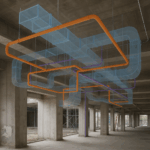
Furthermore, BIM-supported planning enhances spatial understanding. With digital models, planners can visualize work sequencing, detect conflicts before construction begins, and simulate project execution. This capability minimizes surprises during construction and supports leaner schedules, lower waste, and better alignment across trades.
Digitalization Strengthens Communication and Collaboration
Construction projects involve numerous stakeholders such as architects, suppliers, engineers, subcontractors, government bodies, clients, and field personnel. Without structured communication, misunderstandings arise easily. Digital platforms provide a shared environment where communication is logged, traceable, and accessible, reducing the need for repeated clarification.
Features commonly found in digital systems include:
Real-time notifications
Task assignments
Document sharing
Automated activity logs
Visual updates from the field
A site supervisor can capture a photo of a completed task, annotate it, link it to a BIM component, and submit it for review instantly. The project manager receives the update within seconds, eliminating the gap associated with traditional phone calls or handwritten notes. This transparency builds trust across stakeholders and accelerates decision-making.
Platforms such as BuildX push this capability further by enabling digital inspections, progress tracking, and documentation from smartphones and tablets. Stakeholders gain instant visibility into field conditions without requiring regular physical site visits. More information can be found at https://buildxapp.net/.
Reducing Risk Through Real-Time Data and Visibility
In traditional construction, risks often surface late because project leaders only receive updates through periodic meetings or reports. Digitalization changes this dynamic. With real-time data captured directly from the field, managers gain immediate insight into:
Productivity levels
Task completion
Quality deviations
Site conditions
Progress against schedule
This visibility allows teams to respond faster to emerging issues, reducing exposure to delays, budget overruns, disputes, and rework. Field updates are timestamped, geotagged, and linked to specific tasks, creating traceable records that support transparency and accountability.
Construction digitalization also improves compliance. Digital inspection tools standardize checklists, store photographic evidence, and ensure records are easily retrievable for regulatory audits. This reduces administrative stress and helps companies demonstrate responsibility in the event of claims or investigations.
Improving Quality Management
Traditional quality systems rely on manual reporting, handwritten notes, and delayed documentation uploads. This approach risks losing crucial quality evidence or missing defects until later phases of construction, where they become costly to fix.
Digital systems standardize quality assurance and quality control (QA/QC) through:
Mobile inspection checklists
Evidence-based reporting
Automated issue assignment
Progress monitoring with photographic documentation
Instant notifications to responsible stakeholders
Instead of logging issues in notebooks or spreadsheets, field inspectors can create digital observations with photos, notes, drawings, and component references. Managers can track open issues, monitor resolution timelines, and validate corrective work remotely. This improves not only daily quality oversight but also the credibility of project records.
Streamlining Field Execution
One of the strongest benefits of construction digitalization is its effect on field efficiency. When information is easily accessible and constantly updated, workers no longer spend hours waiting for answers, retrieving drawings, or searching for outdated instructions.
Digital tools on mobile devices allow:
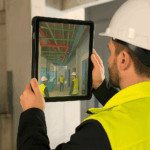
Drawings and models to be viewed on site
Specifications and changes to be checked instantly
Tasks to be recorded progressively
Inspections to happen without paperwork
Field changes to sync directly with office teams
Digitizing these workflows improves continuity. If a supervisor becomes unavailable, accurate task records remain in the system for the next person to continue. This continuity is essential on large projects where dozens of decisions may happen hourly.
Digital Handover and Lifecycle Management
Construction does not end at project completion. Facility owners rely on accurate documentation to operate and maintain buildings efficiently. Traditional handovers often come in the form of paper folders or scattered digital files, leading to confusion and loss of information.
Digital construction handover packages, supported by project records, BIM data, and historical site documentation, improve lifecycle value by:
Supporting preventive maintenance
Reducing operational downtime
Improving equipment replacement planning
Protecting institutional knowledge
Instead of searching through archives, facility managers can retrieve digital records instantly. Solutions like BuildX support this continuous data environment by connecting construction documentation to long-term facility operations. Visit https://buildxapp.net/ to learn more.
Overcoming Challenges in Digital Adoption
While the benefits are significant, digital transformation in construction also faces practical challenges. Companies must adjust workflows, provide device access, train personnel, and encourage culture change. Field teams accustomed to manual systems may initially resist digital tools. Successful transformation requires:
Leadership commitment
Clear rollout plans
User-friendly platforms
Demonstrating visible benefits
Continuous support and training
Digitization should simplify work, not complicate it. When workers see faster reporting, shorter approval times, fewer errors, and less paperwork, adoption grows naturally.
The Future of Construction Digitalization
The industry’s digital evolution is still accelerating. Technologies such as AI-powered analytics, augmented reality, IoT sensors, 4D and 5D BIM, and automated progress detection are advancing rapidly. As solutions become more accessible, construction will eventually operate with the same digital oversight that manufacturers use today.
Projects will benefit from:
Continuous real-time status updates
Predictive maintenance
Automated progress verification
Centralized data ecosystems
Seamless communication across stakeholders
Organizations that adopt digital workflows today position themselves to lead in an increasingly competitive market.
Conclusion
Construction digitalization is no longer a future possibility; it is already reshaping how projects are planned, executed, monitored, and delivered. By replacing manual processes with connected digital workflows, organizations can reduce risk, improve efficiency, enhance collaboration, and bring greater transparency to field operations.
Platforms like BuildX offer practical, mobile-friendly solutions that help construction teams digitize daily tasks, streamline inspections, track progress, and generate reliable documentation that supports both project delivery and lifecycle management. As the industry continues to evolve, adopting digital workflows will become essential for organizations seeking to build faster, smarter, and with greater control over outcomes.
Construction companies that embrace digital transformation today build the foundation for stronger project performance and more efficient operations in the years ahead.