The construction industry is changing rapidly, shifting from manual processes to smarter, faster, and more connected systems. Today’s builders face challenges like tight schedules, higher client expectations, sustainability requirements, and the need for more precise project delivery. To meet these demands, digital construction tools are becoming essential—not just useful add-ons. From Building Information Modeling (BIM) and augmented reality to project communication apps and digital dashboards, technology is transforming construction in ways that boost productivity, accuracy, safety, and decision-making.
Around the world, builders are realizing that traditional workflows are no longer enough to stay competitive. Digital construction tools help teams move beyond paper drawings, eliminate avoidable errors, and improve visibility on every stage of a project. These tools provide real-time access to data, keep everyone aligned, and ensure that decisions are made based on facts rather than assumptions. For companies in fast-growing markets like Indonesia, adopting digital tools is not just a competitive advantage—it is becoming a necessity to keep up with project complexity and industry demand.
One platform making this transformation accessible is BuildX, a powerful digital solution available at https://buildxapp.net/. It enables construction teams to visualize project models on-site, collaborate efficiently, and bridge the gap between office planning and field execution. In this article, we will explore the essential digital construction tools every modern builder should use and how they support more successful project delivery in the modern construction landscape.
1. BIM Tools for Centralized Project Information
Building Information Modeling (BIM) is one of the most transformative tools in modern construction. Instead of relying only on 2D drawings, BIM provides a digital representation of a building’s physical and functional characteristics. It acts as a single source of truth for design, systems, components, schedules, and relevant data.
For builders, BIM makes it easier to visualize how a project will come together long before physical work begins. This leads to better planning, fewer design conflicts, and more coordinated execution on site. When all stakeholders are looking at the same detailed model, misunderstandings decrease and communication becomes more efficient. Designers, engineers, contractors, and project owners can review changes in real time, reducing delays that traditionally happen when updates take days or weeks to reach different parties.
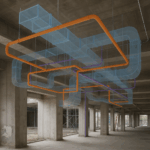
BIM also supports advanced planning by detecting clashes and problems before they become expensive mistakes in the field. For example, a misplaced duct or incorrectly positioned beam can be seen and corrected digitally, instead of requiring costly rework later. This helps improve accuracy, cost predictability, and resource planning. Construction teams can also analyze sequencing, labor demand, and material needs ahead of time, making site execution more organized.
In today’s construction standards, BIM is increasingly tied to digital collaboration platforms. Tools like BuildX allow BIM models to be accessed directly from mobile devices, ensuring that field workers can review the latest version of plans without waiting for printed updates. This tightens the communication loop between office and job site and leads to more consistent delivery across all stages of a project.
2. Mobile BIM Viewers for Instant Access on Site
Even if a project uses BIM, it becomes significantly more powerful when teams can access these models directly on site. Mobile BIM viewers make this possible by putting digital construction data in the hands of workers, supervisors, and inspectors who need it most.
In traditional project environments, site workers rely heavily on paper drawings that may not be updated or can easily be damaged. Multiple drawing revisions may exist simultaneously, leading to confusion about which file is correct. Mobile BIM viewers eliminate this problem by ensuring that everyone uses the same up-to-date information. When changes are made in the office, they can be viewed immediately in the field without waiting for reprints or physical documents.
These tools also support better visualization. Instead of trying to interpret a 2D line drawing, workers can see 3D models, check dimensions, understand component relationships, and confirm installations directly against digital plans. This reduces the risk of misunderstood instructions, missing elements, or installation mistakes.
Additionally, mobile BIM tools improve site communication. Team members can annotate models, report issues, attach photos, and log comments directly from their devices. Supervisors and engineers can review these updates instantly, enabling faster decision-making and reducing downtime. In industries where time is frequently lost waiting for approvals or clarification, this direct connection can save significant hours on the schedule.
Platforms such as BuildX help make mobile BIM practical and affordable for construction teams of all sizes, providing seamless field access via intuitive apps accessible from job sites across Indonesia and beyond.
3. Augmented Reality Tools for Real-World Visualization
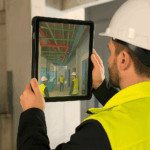
While BIM improves planning and coordination, augmented reality (AR) takes visualization to an entirely new level. AR construction tools allow digital models to be overlaid directly onto real environments using a mobile device or headset. This means builders can stand on a job site and view how structures, components, or systems should appear once installed.
This technology helps construction teams verify alignment, check whether spaces meet design requirements, and confirm that installations are happening accurately. Instead of waiting until later stages to discover a mistake, builders can identify and correct issues immediately. AR also reduces the need for interpretation because workers are not just imagining from a drawing—they are seeing digital information in full context.
AR tools can be used in several ways, including layout verification, inspecting as-built conditions, comparing construction progress to digital plans, and training new workers. They also support collaboration, enabling teams to discuss visual issues on-site without needing to return to the office for further design reviews. This direct approach enhances productivity and reduces the interruptions that often slow down projects.
Platforms like BuildX offer AR capabilities that integrate with BIM models, giving construction professionals access to advanced visualization without requiring expensive hardware or complex configurations. For contractors in fast-growing markets, AR provides a competitive advantage by improving quality control and building trust with clients through clear, real-world project visibility.
4. Digital Communication and Collaboration Platforms
Construction projects involve many stakeholders—architects, engineers, contractors, subcontractors, suppliers, and clients. In traditional workflows, communication gaps happen frequently, especially when information passes through multiple people. Delays and errors occur when updates are not shared quickly or when decisions rely on outdated documents.
Digital collaboration platforms streamline communication by keeping all messages, updates, files, and approvals in a centralized digital environment. When someone updates a drawing, submits a request, or logs an issue, everyone can see it in real time. This reduces the chance of misunderstandings and creates a reliable audit trail of project communication.
These tools also support better task management. Project leads can assign responsibilities, track progress, and monitor deadlines without relying on informal conversations or handwritten notes. Workers on site can submit photos, annotate issues, and document completed work directly through mobile devices. Managers can receive instant notifications, helping them make decisions faster and keep the project moving.
For modern builders, adopting digital collaboration tools means fewer delays, reduced paperwork, and more accurate record keeping. Integrated platforms like BuildX connect BIM, AR, and field reporting into a streamlined workflow, helping teams deliver projects with greater consistency and transparency from start to finish.
5. Digital Dashboards and Progress Tracking
One of the biggest challenges in construction management is maintaining clear visibility into project progress. Traditional reporting methods often rely on periodic updates, which can be slow and may not fully reflect current conditions. Digital dashboards solve this problem by giving managers real-time insights into productivity, material usage, labor progress, safety observations, and more.
Dashboards gather data from devices, apps, and field reports and present it in a visual format that is easy to understand. Managers can instantly see whether work is ahead, behind, or on schedule—and identify bottlenecks before they escalate. These tools also help forecast future progress, allowing teams to adjust plans, resources, or timelines proactively rather than reactively.
In addition, digital reporting helps maintain accountability. When field teams submit updates through mobile apps, these become part of the project record. This makes audits, claims, and project reviews more transparent and dependable. It also supports performance analysis, which helps teams continuously improve across multiple projects.
Platforms such as BuildX provide a structured environment where dashboards, progress logs, inspections, and digital reports connect seamlessly. Builders can use this data to make faster decisions, demonstrate progress to clients, and ensure that projects stay aligned with contract requirements and real-world conditions.
Conclusion
Digital construction tools are transforming the building industry and redefining how modern projects are planned, executed, inspected, and handed over. From BIM and mobile visualization to AR site inspections, communication platforms, and data dashboards, these technologies make construction more accurate, efficient, and transparent. For builders who want to reduce errors, shorten schedules, and deliver higher-quality results, adopting digital tools is no longer optional—it is essential.
Solutions like BuildX, available at https://buildxapp.net/, make these modern capabilities accessible to teams of all sizes. By giving builders real-time access to models, field inspection tools, AR visualizations, and integrated workflows, platforms like these help bridge the gap between planning and execution.
As the construction industry continues to evolve, companies that embrace digital transformation will be better positioned to compete and succeed in a market that values speed, clarity, precision, and performance. The future of building belongs to the teams who build smarter—and digital construction tools are leading the way