The construction industry is experiencing a technological revolution, with AR BIM (Augmented Reality in Building Information Modeling) at the forefront. Traditional construction methods often struggle with miscommunication, errors in design implementation, and delays caused by on-site uncertainties. AR BIM addresses these challenges by combining the power of 3D digital models with augmented reality, allowing project teams to visualize designs directly on construction sites.
Platforms like BuildX are leading this transformation by offering integrated solutions that connect on-site construction teams with project management, ERP, and collaboration tools. AR BIM enables real-time validation of designs, proactive quality control, and issue resolution, reducing costly mistakes and accelerating project timelines. As Indonesia’s construction sector embraces digitalization, AR BIM is becoming an indispensable tool for architects, engineers, and contractors seeking precision and efficiency.
Understanding AR BIM and Its Role in Modern Construction
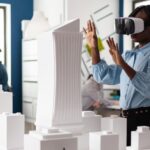
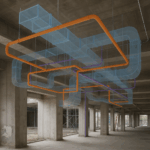
AR BIM combines two powerful technologies: Building Information Modeling (BIM) and Augmented Reality (AR). BIM provides a comprehensive digital representation of a building, including structural, architectural, and MEP components. AR overlays this digital model onto the physical construction site, allowing teams to see exactly how elements fit within the real-world environment.
For construction managers in Indonesia, AR BIM provides a clear advantage. Traditional drawings and static 3D models often fail to convey real-world conditions, leading to rework, delays, and unnecessary costs. With AR BIM, site teams can visualize the building in its actual context, detect clashes early, and ensure every detail aligns with design intent. Using BuildX, these processes are seamlessly integrated with project management and reporting tools, enabling efficient coordination between office and field teams.
Furthermore, AR BIM empowers teams to monitor construction progress in real-time, verify completed work, and maintain accurate as-built records. This integration streamlines decision-making, reduces errors, and fosters a collaborative environment that enhances overall project performance.
How AR BIM Enhances On-Site Accuracy
One of the most significant benefits of AR BIM is its ability to improve on-site accuracy. In traditional construction workflows, translating 2D drawings into real-world structures can be challenging, often resulting in misalignment and costly rework. AR BIM solves this problem by providing a precise visual overlay of the digital model on the actual site.
With AR-enabled devices, engineers, architects, and construction workers can verify dimensions, alignment, and placement of building components before installation. This proactive approach ensures that work matches the design intent and reduces the likelihood of errors. BuildX integrates AR site inspections with project management tools, allowing teams to track issues, assign responsibilities, and resolve discrepancies immediately.
In addition to accuracy, AR BIM fosters transparency. Stakeholders, including clients and off-site managers, can virtually inspect the project at any stage, providing feedback without the need to be physically present. This reduces delays, minimizes miscommunication, and ensures that all parties remain aligned throughout the construction process.
Streamlining Collaboration and Communication
Construction projects involve multiple stakeholders, including architects, engineers, contractors, and clients. Efficient collaboration is critical to ensuring project success. AR BIM enhances communication by providing a shared, real-time visual platform where all team members can interact with the project model directly on-site.
With BuildX, AR BIM is connected to cloud-based project management systems. This allows updates, modifications, and issue reports to be synchronized across all teams instantly. Construction managers can monitor progress, track task completion, and ensure that design changes are implemented accurately. By reducing reliance on manual reporting and physical site visits, AR BIM promotes a collaborative environment that increases productivity and accountability.
Moreover, AR BIM simplifies complex design explanations. Stakeholders can experience a virtual representation of the project, making it easier to understand intricate details, resolve conflicts, and approve changes. This reduces delays caused by misunderstandings and enhances overall project efficiency.
Driving Efficiency with Digital Construction Tools
Beyond visualization, AR BIM is part of a broader digital construction ecosystem that includes ERP, mobile BIM viewers, and smart construction apps. These tools work together to optimize resource management, project scheduling, and cost control.
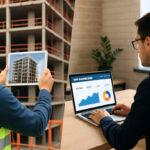
By integrating AR BIM with BuildX, construction teams can automate material tracking, monitor budget versus actual spending, and streamline workforce management. This digital transformation reduces repetitive tasks, improves accuracy, and enables teams to handle more projects without increasing headcount. Real-time data analytics provide insights into project performance, allowing managers to identify potential issues before they escalate and make informed decisions.
Digital construction tools also support sustainability and long-term planning. Accurate as-built models created with AR BIM serve as reliable references for facility maintenance, future renovations, and infrastructure upgrades, ensuring that projects remain efficient and cost-effective over their lifecycle.
Preparing the Construction Industry for the Future
The adoption of AR BIM is transforming the construction industry in Indonesia, preparing it for a digital future where precision, collaboration, and efficiency are paramount. Companies that embrace these technologies gain a competitive advantage, delivering high-quality projects faster and more cost-effectively.
BuildX provides the ideal platform to leverage AR BIM, combining augmented reality visualization with project management, ERP, and collaboration tools. By integrating these systems, construction teams can reduce rework, enhance quality control, and maintain accurate records throughout the project lifecycle.
As more construction companies in Indonesia adopt AR BIM, the industry will shift from traditional, fragmented workflows to fully connected, data-driven project execution. From high-rise developments in urban centers to large infrastructure projects, AR BIM ensures that every phase of construction is optimized for accuracy, collaboration, and efficiency.
Conclusion
The future of construction lies in the integration of technology and real-world execution, and AR BIM is leading this transformation. By providing real-time visualization, enhancing on-site accuracy, and enabling seamless collaboration, AR BIM empowers construction teams to deliver projects with precision and efficiency.
Platforms like BuildX make AR BIM accessible to construction professionals, combining augmented reality, project management, and digital tools in a single, user-friendly ecosystem. By embracing AR BIM, the Indonesian construction industry is not just building structures—it is building smarter, faster, and more efficiently, paving the way for a future where technology and construction work hand in hand.