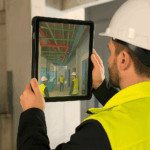
In the modern building industry, quality control construction has become more than a set of checklists and inspections. It is now a comprehensive strategy supported by digital platforms, data analytics, and innovative site management tools. As project complexity increases, contractors, engineers, and owners need solutions that enhance accountability, reduce risks, and ensure that every activity on-site meets the highest standards.
Technology has transformed the way construction teams monitor performance, track errors, carry out design validations, and communicate findings. With digital systems such as Building Information Modeling (BIM), real-time site reporting, and cloud-based collaboration, construction quality is no longer left to manual oversight alone. Tools like BuildX support consistent monitoring and structured documentation, allowing site teams to improve efficiency and eliminate ambiguity. Learn more about the platform at https://buildxapp.net/.
This article explores how technology enhances construction quality, why digital transformation is essential for project performance, and what benefits companies gain by integrating smart solutions into their field operations.
The Changing Definition of Quality in Construction
Quality in construction used to be defined mainly through compliance: meeting specifications, following drawings, passing inspections, and delivering results that matched expectations. Today, the definition has expanded to meet evolving industry demands:
Projects are expected to be completed faster without compromising accuracy.
Clients expect higher auditability and transparency.
Stakeholders want consistent documentation and traceability.
Technology is the key enabler that allows businesses to move from a reaction-based model to a predictive and proactive approach. Digital systems allow teams to analyze trends, detect quality issues before they appear on-site, and create standards that can be repeated across multiple projects.
How Technology Supports Quality Control Construction
Below are the most important ways digital tools enhance project assurance, reduce waste, and maintain consistency across every construction phase.
1. Improved Accuracy in Design and Planning
Modern construction projects begin long before physical work starts. Digital design models help identify issues early, such as structural conflicts, incomplete dimensions, or material inaccuracies. BIM systems are especially impactful because they allow all trades to visualize the project in a shared environment.
With enhanced visibility, contractors can:
Prevent errors before construction begins
Minimize expensive rework
Validate materials and dimensions
Confirm alignment of structure, MEP, and finishing works
Better planning means higher accuracy on-site and greater reliability during execution.
2. Real-Time Site Tracking
Digital platforms enable site teams to connect field activity with project leadership instantly. Instead of waiting for daily reports or manual inspections, managers can monitor progress as it happens.
Applications such as BuildX provide features for:
Daily task reporting
On-site photo attachments
Issue logging and assignment
Documented inspection histories
Real-time oversight helps detect deviations immediately. When issues are identified early, they cost less to correct, avoid schedule impacts, and keep the project aligned with quality benchmarks.
3. Enhanced Consistency Across Multiple Teams
Construction involves many parties: structural specialists, subcontractors, architects, safety inspectors, and others. Quality control construction often fails when information is unclear or responsibility is divided. Technology solves this by centralizing all project documentation, drawings, and checklists in one digital environment.
As a result:
Everyone works with updated information
Document conflicts are minimized
Reports follow a consistent format
Accountability is clearly defined
Standardizing communication is one of the strongest contributors to reliable construction quality.
4. Digital Documentation for Audit and Accountability
One of the most valuable contributions of digital technology is its ability to generate permanent records. Audit trails are stored securely and can include:
Reports
Photos
Supervisor notes
Completion timestamps
If a validation is needed months after handover, the data remains organized and traceable. This also strengthens compliance with government regulations and internal quality assurance policies.
5. Faster Decision Making
Technology removes delays caused by waiting for meetings or reports. With instant data sharing, decision cycles become shorter and actions can be taken faster. For example:
A site engineer identifies concrete surface defects.
A photo is uploaded to the platform.
The issue is assigned to a responsible team with priority instructions.
Supervisors receive automatic alerts.
This workflow avoids miscommunication and limits downtime. The faster issues are resolved, the more consistent the overall work quality becomes.
6. Predictive Insights Through Data
Digital systems do not only document problems; they also reveal patterns. Over time, teams can analyze:
Which stages most frequently generate non-conformances
Which subcontractors require closer supervision
Which materials often fall short of specifications
Data-driven decision making transforms quality control from a reactive to preventive discipline. Teams gain insights that help them plan smarter, optimize processes, and improve the accuracy of future projects.
The Human Role in Tech-Enhanced Quality Control
Although technology is powerful, it does not remove the need for human expertise. Instead, it strengthens each person’s ability to perform consistently. With digital tools:
Site supervisors no longer carry large binders of documents
Engineers validate designs quickly without searching through multiple files
Project managers have up-to-date insights without chasing separate reports
Workers understand expectations with standardized instructions
Technology amplifies human skill by ensuring clarity, accountability, and continuous oversight.
Why the Industry Must Embrace Digital Quality Control
Traditional approaches still exist, especially on smaller projects, but they are becoming less practical due to:
Increasing project scale
Rising client expectations
More complex building systems
Stricter regulatory oversight
Relying on manual reporting increases risk and slows down operations. Digital construction quality control simplifies complex projects, reduces uncertainty, and brings structure to tasks that were previously difficult to manage.
Organizations that fail to adopt technology may struggle with cost overruns, repetitive rework, and limited transparency. Meanwhile, those who embrace modern solutions gain competitive advantages:
Higher build reliability
Faster delivery timelines
Stronger client trust
Better long-term maintenance documentation
How BuildX Supports Quality Excellence
Platforms such as BuildX are designed specifically to enhance site operations with structured digital workflows. Through mobile reporting, BIM-based visualization, and real-time tracking, BuildX helps companies manage quality consistently across every job.
Users can:
Log inspections directly from the construction site
Monitor issues and assignments
View designs and data remotely
Maintain a full digital record of completed activities
Such systems allow construction companies to move into a new era of precision, efficiency, and data-backed decision making. For more information, visit https://buildxapp.net/.
The Future of Quality Control Construction
Looking ahead, emerging innovations will make quality control even more integrated and intelligent. Tools that may soon become standard include:
Automated photo recognition to detect defects
IoT sensors monitoring structural and environmental conditions
Predictive models forecasting material performance
Voice-command reporting for hands-free documentation
As these solutions evolve, site processes will shift even further toward automation, analytics, and centralized communication. The goal is not to remove human involvement, but to give every professional better visibility and more control over the construction process.
Conclusion
Quality control construction is entering a new era, one where technology ensures consistency, clarity, and accountability at every stage of a project. Digital platforms unify documentation, streamline communication, accelerate issue resolution, and strengthen planning, resulting in safer and more reliable building outcomes.
Organizations that adopt these systems gain stronger control over on-site performance while reducing costly rework and improving client confidence. With tools like BuildX, the industry can continue raising construction standards and meeting the demands of modern infrastructure.
In a competitive market, quality is not only about excellence but about continuous improvement, and technology is at the center of making that vision achievable.