Construction projects today move faster, involve more stakeholders, and require greater accuracy than ever before. Traditional project management methods—paper reports, manual documentation, schedules updated only during weekly meetings—are no longer sufficient for the complex demands of modern job sites. When decisions depend on delayed or incomplete information, teams risk delays, rework, and cost overruns. Smart construction apps have emerged as a powerful solution to these challenges, enabling real-time project tracking, instant communication, and data-driven management directly from the field.
These digital tools allow contractors, supervisors, and decision-makers to see real progress, current site conditions, and open issues without waiting for manual updates. Instead of relying on outdated reports or long email chains, teams have real-time access to central data, shared dashboards, mobile communications, BIM models, and field documentation. This shift reduces bottlenecks, improves site productivity, and gives companies a competitive advantage in delivering projects on time and within scope.
Platforms like BuildX, available at https://buildxapp.net/, support this transformation by integrating project tracking, field reporting, BIM visualization, and augmented reality into one accessible digital environment. These types of smart construction apps help bridge the gap between planning and execution, giving builders a level of transparency and control that would have been impossible a decade ago. In the following sections, we explore why smart construction apps are essential, the problems they solve, and the ways they strengthen project outcomes across all stages of execution.
The Need for Real-Time Tracking in Modern Job Sites
Construction projects generate an enormous amount of data—progress measurements, schedule updates, material deliveries, inspections, safety reports, work logs, and design revisions. In the past, much of this information traveled slowly through paper-based forms, site supervisors’ notes, or fragmented communication channels. By the time issues reached management, several days or weeks might have passed, making it difficult to respond quickly or prevent escalating problems.
Real-time tracking changes this dynamic entirely. When field updates are submitted instantly through smart construction apps, project leaders can evaluate progress in real-time. For example, if a task is delayed because materials did not arrive or equipment malfunctioned, the issue is logged and visible immediately. Managers no longer need to wait until weekly briefings or site visits to learn about critical problems. Instead, decisions happen in the moment, reducing downtime and preventing ripple effects that would otherwise impact the entire schedule.
This level of visibility also enhances accountability. Workers understand that their progress is documented and visible, encouraging more accurate reporting and fewer delays. Supervisors benefit because they have reliable digital records of completed tasks, open issues, and pending approvals. Real-time tracking also supports risk management. Many construction setbacks begin as minor complications—an overlooked defect, a misinterpretation of drawings, or miscommunication between departments. When these issues are visible the moment they occur, teams can intervene early and keep the project on track.
Smart construction platforms like BuildX offer mobile interfaces that make field reporting simple, quick, and user-friendly. Workers can submit photos, location-based notes, checklists, inspections, and digital markups without returning to the office, improving efficiency and preventing missing documentation. This streamlined reporting environment is a crucial advantage for companies working on fast-moving projects with tight delivery expectations.
How Smart Construction Apps Improve Collaboration
Construction involves many stakeholders—project owners, architects, engineers, contractors, subcontractors, suppliers, and site teams. Coordinating these groups efficiently is one of the industry’s biggest challenges. Miscommunication is a major source of delays, budget waste, and rework, often caused by outdated drawings, incomplete instructions, or information that arrives too late. Smart construction apps address this problem by centralizing communication into a shared digital environment where everyone works with the same data.
This means design changes, clarifications, approvals, and field reports are shared instantly across all authorized users. Stakeholders no longer rely on phone calls, WhatsApp messages, or printed revisions that may get lost or ignored. Instead, communication is logged in one platform, ensuring consistency and transparency. When a project owner requests a design update, that request appears in real-time for engineers and site supervisors. If a contractor logs a safety concern on-site, management sees it immediately and can respond without delay.
The ability to work from the same information also improves teamwork. When people have complete context—photos of field conditions, precise location-based updates, digital annotations, and linked BIM elements—they solve problems more effectively. Questions that would normally require meetings or site visits can be resolved digitally within minutes. This not only improves productivity but also reduces wasted travel time and administrative overhead.
Through platforms such as BuildX, construction teams also gain access to version control, ensuring that users always know which design documents are the latest. This prevents errors that come from building off outdated information. The app acts as a single source of truth, which is essential for fast-moving projects with multiple revisions and tight schedules. The result is a workflow that is organized, traceable, and far more resilient to communication breakdowns.
Field Data Collection and Reporting Made Simple
Many contractors struggle with the time and effort required to document progress in the field. Paper-based reporting systems are slow, prone to inaccuracies, difficult to store, and time-consuming to retrieve when needed. Smart construction apps simplify this by replacing physical paperwork with digital data entry and automated field reporting. Workers can log progress updates with a few taps, attach photos, add notes, and submit digital checklists directly from the field.
This not only shortens reporting time but also increases the accuracy of information. Reports are timestamped, geotagged, and automatically stored, making them reliable records for future review. Supervisors can instantly verify progress, compare work completed against the schedule, and identify deviations before they become major issues. When inspections are required, apps provide structured digital forms that ensure nothing is missed.
Digital reporting also improves site audits and regulatory compliance. Since data is stored in a structured format and organized in chronological order, project teams can retrieve evidence easily for client updates, legal reviews, or performance evaluations. This eliminates the chaos of searching through stacks of paper files or relying on incomplete spreadsheets that only one employee manages.
Platforms like BuildX strengthen this workflow further by connecting field data with BIM models, enabling instant comparisons between planned and actual conditions. If a supervisor identifies incorrect installation, they can reference the BIM view, highlight the issue, and send it to the responsible team immediately. This creates a fast feedback loop that keeps the project aligned with the original design and reduces the risk of costly rework.
Visualizing Project Progress Through BIM and AR
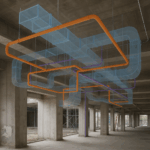
While traditional tracking methods rely on text-based reports, BIM and augmented reality (AR) bring visual clarity to site inspections. Smart construction apps with integrated BIM viewers allow site teams to reference 3D models directly from mobile devices. This helps workers understand spatial layouts, component relationships, and intended installations more clearly than 2D drawings ever could.
Instead of trying to interpret measurements from paper documents, workers can explore the model in 3D, view embedded specifications, and verify work placement with increased confidence. When combined with AR, the model can be superimposed onto real-world environments, enabling teams to detect alignment issues, missing components, or incorrect installations instantly. This supports higher quality control and makes meetings more efficient because issues are easy to visualize rather than explain verbally.
For contractors, this capability also offers long-term benefits. It reduces ambiguity, minimizes communication gaps, and accelerates decision-making. Since many costly construction errors result from misunderstanding design intent, these visualization tools provide a significant advantage in preventing rework.
Solutions such as BuildX, accessible through https://buildxapp.net/, make BIM and AR visualizations practical for everyday use. Workers can walk the site with a mobile device and compare actual progress to digital plans in real-time. This brings clarity to inspections, reduces disputes, and helps ensure that the final project matches the intended design accurately.
Faster Decision-Making Through Digital Dashboards and Analytics
Real-time project tracking is most valuable when the data it produces can be used to make informed decisions. Smart construction apps often include dashboards and analytics that transform raw field inputs into actionable insights. Instead of sorting through disconnected reports, decision-makers see a visual overview of site status—tasks completed, milestones achieved, pending issues, and potential risks.
This visibility helps managers understand whether the project is progressing on schedule or if adjustments are needed. If a particular task is consistently behind, supervisors can investigate the cause and deploy resources or troubleshooting before delays escalate. If material or labor consumption exceeds forecasted values, the system highlights the deviation early.
Analytics also support long-term improvements. By collecting structured data over multiple projects, companies can analyze performance trends, estimate future workloads more accurately, and refine their operational processes. This promotes smarter planning, better budgeting, and improved organizational maturity.
Platforms like BuildX help construction teams gain these advantages by offering integrated dashboards that compile data from site reports, inspections, BIM updates, and project logs. Instead of relying on instinct or incomplete information, leaders can make decisions based on accurate, real-time evidence, improving the reliability of project outcomes across the board.
Conclusion
Smart construction apps are transforming the way modern projects are managed, tracked, and executed. By replacing manual processes with real-time digital workflows, these tools improve collaboration, increase productivity, support transparency, and reduce the risk of costly rework. They enable teams to stay aligned from planning to final delivery, ensuring that every stakeholder can access accurate information whenever they need it.
Construction companies that adopt digital tracking tools gain greater control over their projects and the ability to make faster, more informed decisions. Platforms such as BuildX, available at https://buildxapp.net/, offer an integrated solution combining field reporting, BIM visualization, AR inspections, mobile collaboration, and performance analytics. By bridging the gap between the office and the job site, smart construction apps create a foundation for higher-quality work and more predictable project outcomes.
As the construction industry continues to evolve, real-time project tracking will no longer be optional—it will be a standard requirement. Companies that embrace these tools today are positioning themselves for stronger competitiveness, better client satisfaction, and long-term success in a data-driven construction environment.