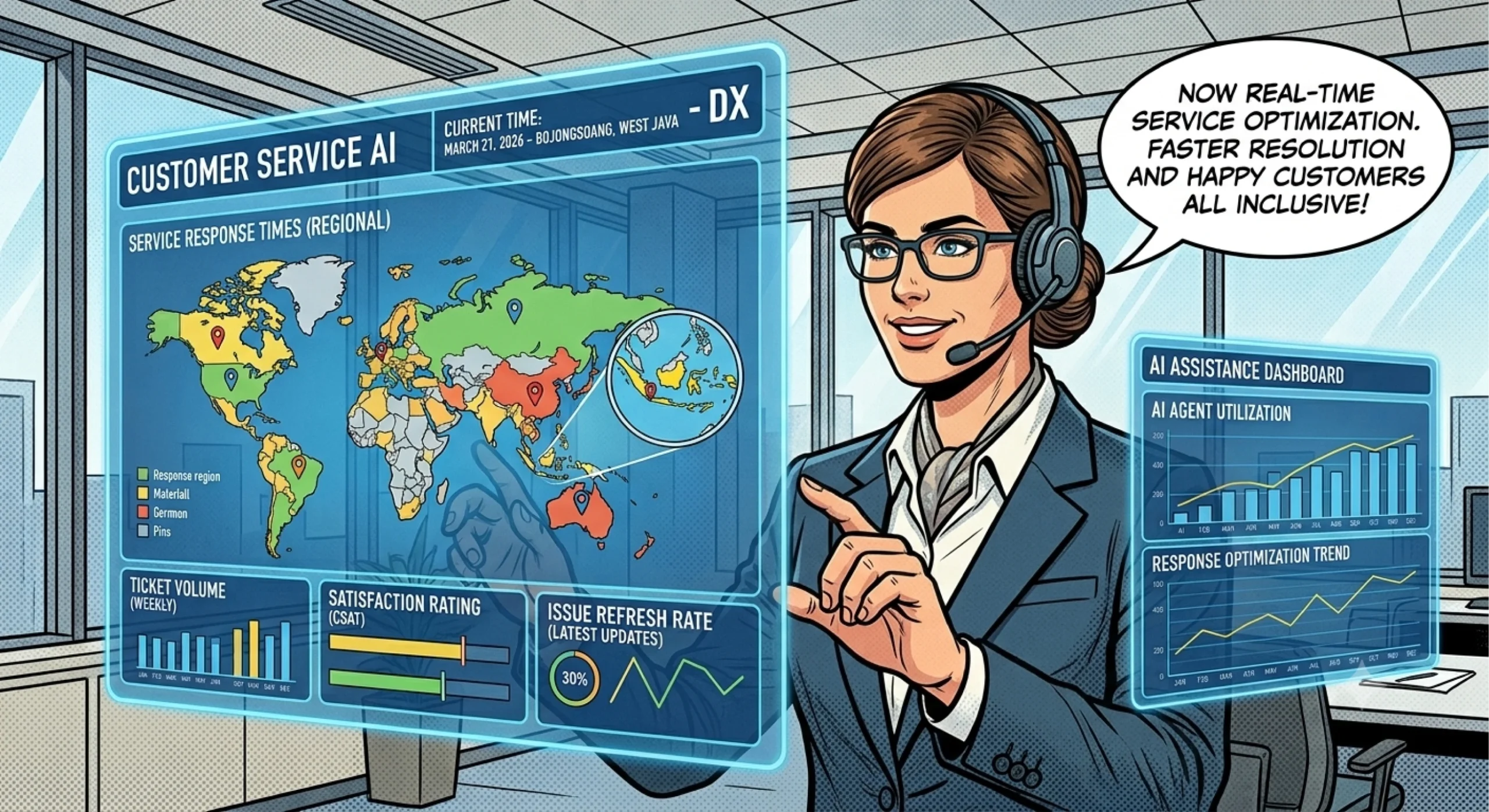
Artificial intelligence is no longer just a tool for automating repetitive tasks. Today, businesses are adopting AI employees that can analyze data, support decision-making, communicate with customers, manage workflows, and collaborate with human teams. As organizations face increasing pressure to improve productivity while controlling costs, intelligent digital workers are becoming an essential part of modern operations.
Whether you run a construction company, startup, consulting firm, agency, or enterprise, managing multiple departments often means dealing with disconnected systems, manual processes, and information silos. Hiring more people isn’t always the most sustainable solution. Instead, companies are turning to AI employees that work around the clock, integrate with business systems, and help teams focus on higher-value work.
This article explains what AI employees are, how they work, why they matter, and how they are transforming businesses across industries.
What Are AI Employees?
AI employees are intelligent software agents designed to perform business functions traditionally handled by human employees. Unlike simple automation tools that follow predefined rules, AI employees can understand context, analyze information, learn from historical data, and assist users in making informed decisions.
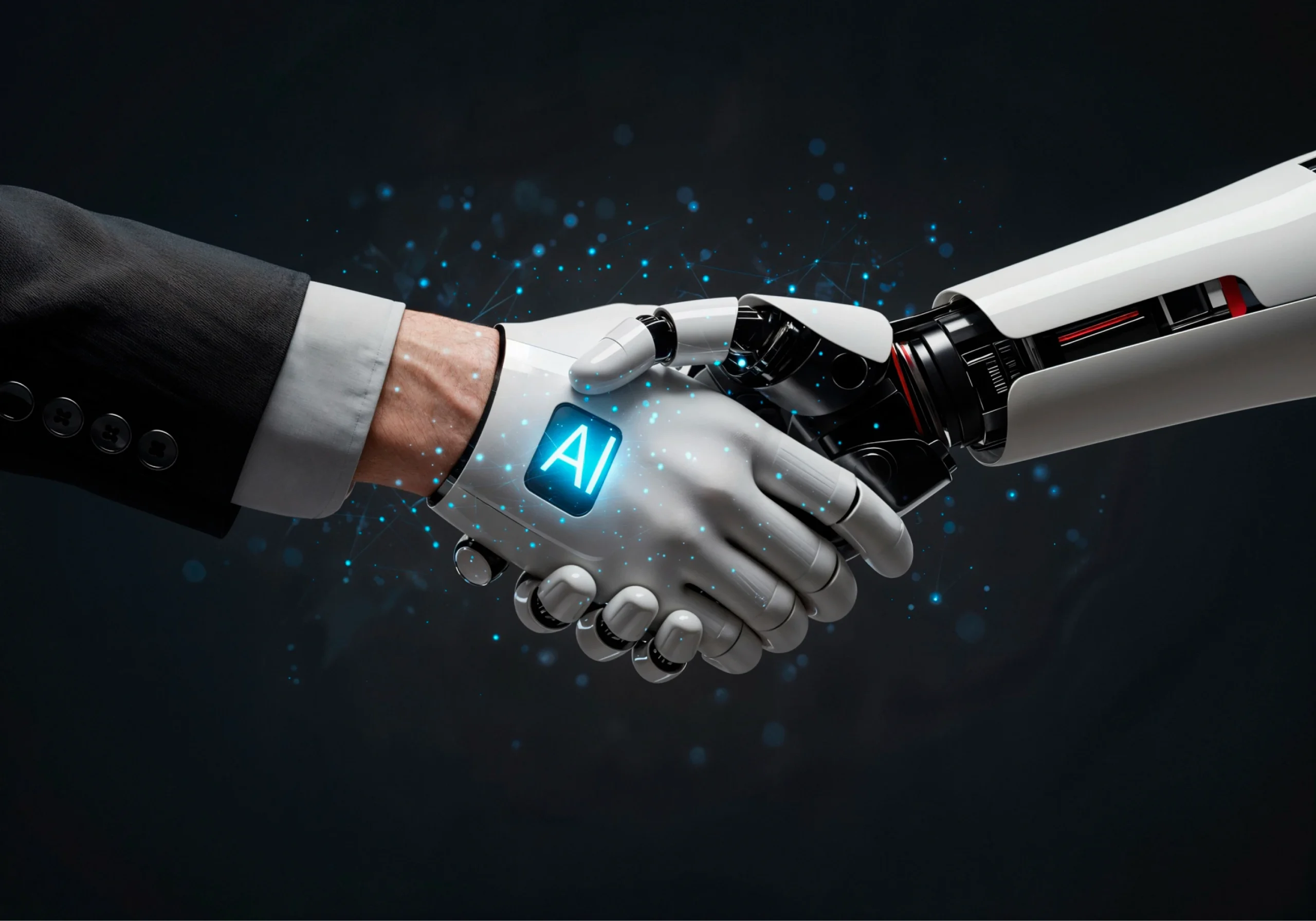
Rather than replacing human workers, they serve as digital teammates that support daily operations across departments.
Modern AI employees can assist with:
- Managing business workflows
- Monitoring project progress
- Answering customer inquiries
- Tracking procurement activities
- Generating financial insights
- Supporting HR administration
- Identifying sales opportunities
- Producing operational reports
As AI technologies continue to evolve, these digital workers become increasingly capable of handling complex business processes while remaining available 24 hours a day.
Businesses looking to understand how an AI workforce fits into their operations can explore the capabilities of the BuildX platform, which combines AI employees with ERP-driven business management.
How AI Employees Work Inside Modern Organizations
AI employees operate by combining artificial intelligence, workflow automation, business rules, and enterprise data into a unified system. Instead of working independently, they continuously interact with company information to deliver actionable support.
Understanding Business Data
AI employees gather information from multiple business sources such as:
- ERP systems
- CRM platforms
- Project management software
- Financial records
- HR databases
- Customer conversations
By connecting these data sources, AI employees gain a comprehensive understanding of business operations.
Analyzing Situations
Using machine learning and large language models, AI employees identify patterns, detect anomalies, and generate insights that would normally require manual analysis.
For example, an AI project assistant may identify schedule delays before they become critical.
Recommending Actions
Rather than simply displaying reports, AI employees recommend practical next steps such as:
- Prioritizing procurement
- Assigning project resources
- Following up with sales leads
- Alerting managers about budget risks
- Suggesting workflow improvements
This transforms data into actionable intelligence.
Why Businesses Are Adopting AI Employees
Organizations of every size are experiencing increasing operational complexity. As companies grow, so do communication gaps, repetitive administrative work, and decision-making challenges.
AI employees address these issues by improving operational efficiency without requiring businesses to dramatically expand their workforce.
Key benefits include:
- Faster decision-making
- Reduced manual workload
- Improved consistency
- Better resource utilization
- Continuous business monitoring
- Higher productivity
- More accurate reporting
Instead of replacing employees, AI enables people to focus on strategic work that requires creativity, leadership, and critical thinking.
According to the National Institute of Standards and Technology (NIST) AI Resource Center, trustworthy AI should enhance reliability, transparency, and organizational performance while supporting responsible implementation.
AI Employees Across Different Business Departments
Every department has unique responsibilities, making specialized AI employees increasingly valuable.
Sales
Sales AI helps teams:
- Qualify leads
- Analyze customer behavior
- Recommend follow-up actions
- Forecast sales performance
This allows sales representatives to spend more time building customer relationships.
Finance
Finance AI assists with:
- Expense tracking
- Budget monitoring
- Cash flow analysis
- Financial reporting
By automating routine financial processes, organizations gain faster access to business insights.
Human Resources
HR AI supports:
- Employee records
- Recruitment workflows
- Performance monitoring
- Workforce analytics
Administrative tasks become significantly more efficient while HR professionals focus on talent development.
Procurement
Procurement AI monitors:
- Material requirements
- Supplier performance
- Purchasing schedules
- Inventory availability
Construction companies especially benefit from proactive procurement planning.
Project Management
Project AI continuously evaluates:
- Progress updates
- Schedule changes
- Resource allocation
- Risk indicators
Managers receive timely recommendations before issues escalate.
Organizations interested in role-specific digital workers can learn more about AI Employees for business operations and how specialized AI agents support different departments.
AI Employees and ERP: A Powerful Combination
One of the biggest limitations of standalone AI tools is their lack of operational context.
ERP systems already contain valuable business information including:
- Projects
- Procurement
- Finance
- Human resources
- Inventory
- Customers
- Vendors
When AI employees operate within an ERP environment, they gain access to real-time operational data that improves both accuracy and usefulness.
Instead of asking employees to search across multiple applications, AI can instantly retrieve relevant information from connected systems.
For example:
- Finance AI identifies unusual spending patterns.
- Procurement AI predicts material shortages.
- Project AI monitors schedule performance.
- HR AI analyzes workforce productivity.
- Executive AI summarizes company-wide performance.
This integration creates a digital workforce capable of supporting smarter business decisions.
Industries That Benefit Most from AI Employees
Although nearly every organization can benefit from AI, certain industries gain especially significant advantages due to operational complexity.
Construction
Construction companies manage:
- Multiple projects
- Contractors
- Procurement
- Site documentation
- Budgets
- Progress tracking
AI employees simplify coordination while improving project visibility.
Property Development
Developers oversee multiple stakeholders throughout planning, construction, and delivery.
AI employees help centralize project information and monitor milestones across developments.
Consulting
Consulting firms manage knowledge-intensive work requiring documentation, reporting, and collaboration.
AI employees reduce administrative overhead while improving project consistency.
Agencies
Marketing and creative agencies often juggle multiple clients simultaneously.
AI employees streamline reporting, scheduling, customer communication, and operational management.
Startups
Growing businesses need scalable operations without dramatically increasing headcount.
AI employees allow startups to automate repetitive tasks while maintaining operational agility.
Common Misconceptions About AI Employees
Despite growing adoption, misconceptions still prevent many businesses from embracing AI.
AI Will Replace Every Employee
In reality, AI is most effective when working alongside humans.
It handles repetitive analysis and operational tasks, allowing employees to focus on strategic thinking, relationship building, and innovation.
AI Is Only for Large Enterprises
Cloud-based AI platforms have made intelligent automation accessible to startups and small businesses as well.
Modern subscription models eliminate the need for significant infrastructure investments.
AI Requires Complex Technical Skills
Today’s AI platforms prioritize user-friendly interfaces that allow managers and employees to interact naturally without programming expertise.
Many systems integrate seamlessly with existing business processes.
How to Prepare Your Business for AI Employees
Successful AI adoption starts with identifying operational challenges rather than implementing technology for its own sake.
Businesses should begin by evaluating:
- Repetitive administrative tasks
- Slow reporting processes
- Communication bottlenecks
- Manual approvals
- Data fragmentation
- Customer response times
Next, organizations should define measurable objectives such as:
- Faster project delivery
- Improved customer satisfaction
- Better financial visibility
- Reduced operational costs
- Higher workforce productivity
Finally, selecting an integrated platform that combines AI capabilities with business management tools helps maximize long-term value.
Gradual implementation often produces better results than attempting a complete organizational transformation at once.
The Future of Intelligent Teams
The concept of work is evolving from human-only teams to collaborative environments where AI employees and human professionals complement each other’s strengths.
Future AI employees will become increasingly proactive by:
- Predicting operational risks
- Recommending strategic actions
- Coordinating workflows automatically
- Delivering personalized business insights
- Supporting executive decision-making
Organizations that adopt intelligent digital workers today will be better prepared to compete in an increasingly data-driven economy.
Rather than viewing AI as a replacement for people, successful businesses recognize it as an opportunity to build more capable, productive, and resilient teams.
If you’re exploring how intelligent digital workers can improve project management, operations, finance, or customer support, learning more about integrated AI workforce platforms is a practical next step. The goal is not simply to automate tasks but to empower people with better insights, faster decisions, and smarter collaboration.