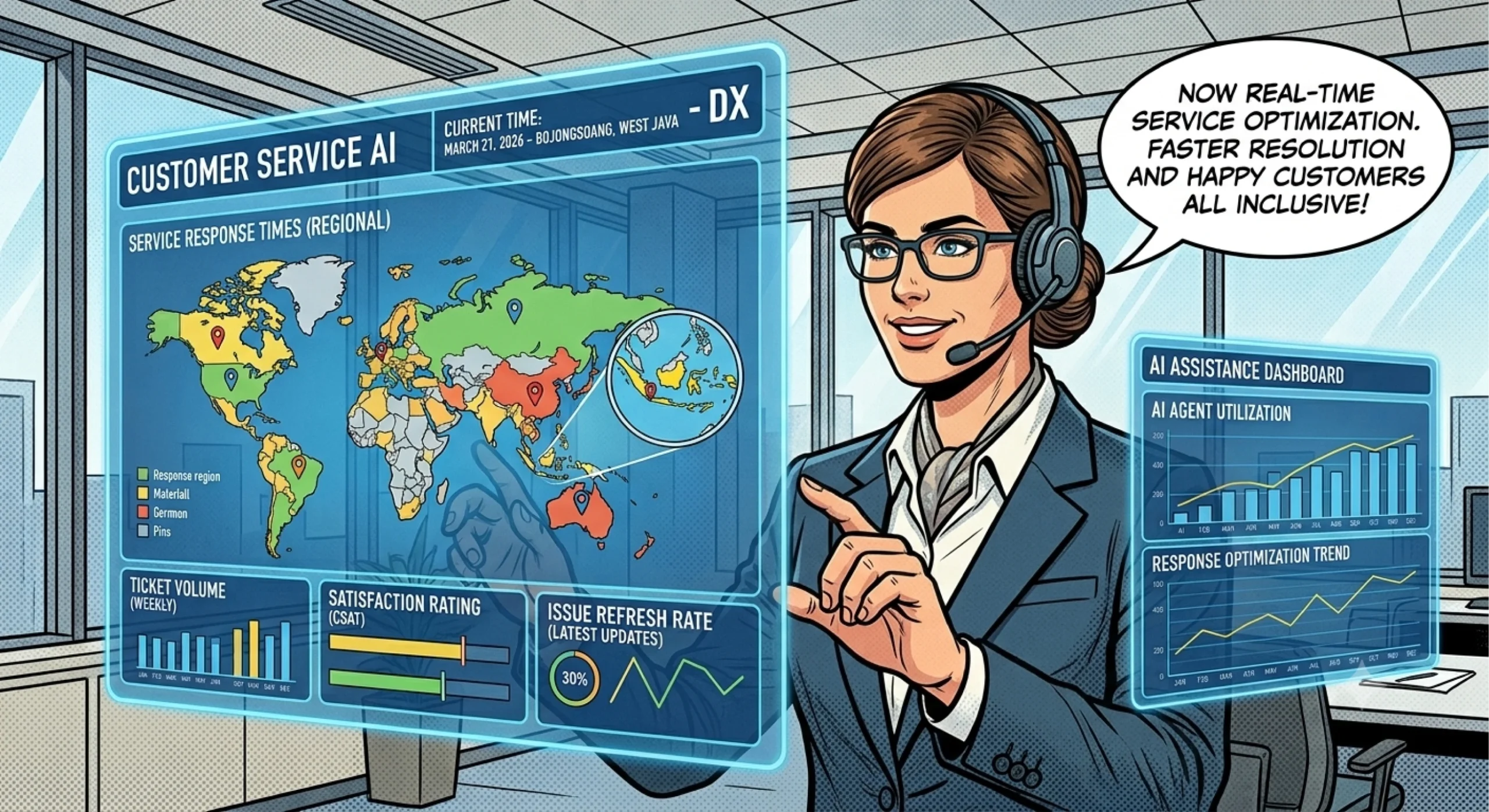

Construction companies are under constant pressure to deliver projects faster, control costs, manage resources efficiently, and maintain strong communication between office teams and field workers. As businesses grow and handle multiple projects simultaneously, traditional management methods such as spreadsheets, disconnected applications, and manual reporting often become difficult to maintain.
This is where Cloud ERP Software provides a modern solution for growing construction companies. By combining enterprise resource planning capabilities with cloud technology, businesses can manage projects, finances, procurement, workforce, and operational data through one connected platform.
Unlike traditional systems that require complex infrastructure and limited on-site access, cloud-based ERP allows construction teams to access important information anytime and from anywhere. This flexibility helps companies improve collaboration, make faster decisions, and build more efficient workflows.
For construction businesses exploring digital transformation, understanding the advantages of cloud ERP is an important step toward improving long-term operational performance.
What Is Cloud ERP Software?
Cloud ERP Software is an enterprise resource planning system hosted on cloud infrastructure that allows businesses to manage their operations through an internet-based platform. Instead of installing and maintaining software on local servers, companies access the system through secure online environments.
For construction companies, cloud ERP combines essential business functions into one integrated solution, including:
- Project management
- Financial management
- Procurement
- Inventory tracking
- Workforce management
- Equipment monitoring
- Document management
- Reporting and analytics
Traditional construction management often involves different tools for different departments. The finance team may use accounting software, project managers may rely on spreadsheets, and field teams may use separate reporting applications.
Cloud ERP eliminates these information gaps by creating a centralized system where all teams work with the same data.
To understand how modern ERP solutions support construction businesses, explore this guide about AI ERP Software: Everything You Need Before Choosing a System.
Why Growing Construction Companies Need Cloud ERP Software
Growth creates new challenges. A small construction company may manage projects effectively with simple tools, but as operations expand, those methods often become inefficient.
Growing contractors usually face challenges such as:
- Managing multiple projects simultaneously
- Tracking project costs accurately
- Coordinating remote teams
- Monitoring material availability
- Maintaining updated financial information
- Reducing administrative workload
Cloud ERP Software helps companies overcome these challenges by providing a scalable management platform.
The main advantages include:
- Better operational visibility
- Improved collaboration
- Faster access to project information
- More accurate reporting
- Reduced manual processes
- Easier business scalability
Instead of spending hours collecting information from different sources, managers can access real-time insights from one connected system.
Key Benefits of Cloud ERP Software for Construction Companies
Real-Time Access to Project Information
Construction projects generate large amounts of data every day. Project updates, financial transactions, procurement activities, and workforce information must be continuously monitored.
Cloud ERP Software enables teams to access updated information without waiting for manual reports.
Project managers can monitor:
- Project progress
- Budget performance
- Material status
- Resource availability
- Task completion
This real-time visibility allows companies to respond quickly when unexpected issues occur.
For example, if material delivery is delayed, project managers can immediately evaluate the impact and adjust schedules before the delay affects the entire project.
Improved Collaboration Between Office and Field Teams
Construction teams are often distributed across multiple locations. Communication problems between headquarters and project sites can create delays and misunderstandings.
Cloud ERP creates a shared environment where:
- Site teams can update project information
- Managers can review progress remotely
- Procurement teams can track requirements
- Finance teams can monitor expenses
Everyone works with the same information, reducing communication gaps and improving coordination.
Better Financial Control and Cost Management
Cost management is one of the most critical aspects of construction operations.
Projects involve many expenses, including:
- Materials
- Labor
- Equipment
- Subcontractors
- Operational costs
Cloud ERP Software provides centralized financial tracking that helps businesses understand where money is being spent.
Companies can monitor:
- Project budgets
- Actual expenses
- Cost variations
- Payment schedules
- Profit margins
Better financial visibility helps contractors identify potential problems earlier and maintain better project profitability.
How Cloud ERP Supports Construction Project Management
Construction project management requires coordination between multiple activities. A delay in one area can affect the entire project timeline.
Cloud ERP improves project management by connecting different operational areas.
Scheduling and Progress Monitoring
A cloud ERP platform helps project teams:
- Create project schedules
- Assign responsibilities
- Track milestones
- Monitor deadlines
- Compare planned versus actual progress
Managers can identify risks earlier and make adjustments before problems become serious.
Procurement and Supply Management
Material availability plays a major role in construction success.
Cloud ERP supports procurement processes through:
- Purchase request management
- Supplier information tracking
- Purchase order workflows
- Material monitoring
- Delivery tracking
By connecting procurement with project planning, companies can avoid material shortages and improve purchasing efficiency.
For more information about important ERP capabilities for contractors, read Construction ERP: Essential Features Every Contractor Should Know.
Scalability Advantages of Cloud ERP Software
One of the biggest benefits of cloud ERP is its ability to grow with the company.
As construction businesses expand, they may need to manage:
- More employees
- More projects
- Additional locations
- Larger data volumes
- More complex workflows
Cloud ERP allows companies to increase system capacity without investing heavily in new hardware.
This makes it suitable for:
- Small construction companies preparing for growth
- Medium contractors managing multiple projects
- Large organizations requiring centralized operations
The flexibility of cloud platforms allows businesses to adapt without replacing their entire management system.
Security and Data Management in Cloud ERP
Data security is an important consideration when adopting cloud technology.
Modern Cloud ERP Software typically includes security features such as:
- User access controls
- Data encryption
- Automatic backups
- System monitoring
- Regular updates
Cloud providers also continuously improve infrastructure security to protect business information.
According to the National Institute of Standards and Technology (NIST), organizations should adopt structured approaches to cybersecurity and risk management when implementing digital technologies.
For construction companies, secure data management ensures that important project information remains protected and available when needed.
AI Integration in Modern Cloud ERP
The combination of artificial intelligence and cloud ERP is creating new opportunities for construction businesses.
AI-powered ERP systems can analyze operational data and provide useful insights.
Examples include:
- Predicting project risks
- Identifying cost trends
- Automating reports
- Recommending resource allocation
- Improving forecasting accuracy
AI does not replace human decision-making. Instead, it provides additional intelligence that helps managers make better decisions based on real data.
Choosing the Right Cloud ERP Software
Selecting the right ERP solution requires careful evaluation.
Construction companies should consider:
Industry-Specific Features
A suitable system should support construction workflows such as:
- Project accounting
- Procurement management
- Resource planning
- Contract management
- Field reporting
Integration Capabilities
The ERP should connect with existing systems, including:
- Accounting software
- HR platforms
- CRM systems
- BIM tools
- Document management systems
Ease of Use
A successful ERP implementation depends on employee adoption. The system should provide an intuitive experience for both office employees and field workers.
Conclusion
Cloud ERP Software provides growing construction companies with a powerful way to manage increasingly complex operations. By connecting project management, finance, procurement, and workforce information in one platform, businesses can improve efficiency and make better decisions.
Cloud-based ERP solutions offer flexibility, scalability, and real-time access that traditional systems cannot easily provide. Combined with AI capabilities, these platforms help construction companies become more responsive, organized, and prepared for future growth.
Companies looking to modernize their operations can explore how intelligent business management solutions support construction efficiency. Visit BuildX to learn more about digital tools designed for smarter project management.