Procurement has become far more complex than simply purchasing goods at the lowest price. Modern businesses must balance supplier performance, inventory levels, project timelines, compliance requirements, and cost efficiency while responding quickly to changing market conditions. Managing these responsibilities manually often leads to delays, inconsistent purchasing decisions, and unnecessary operational costs.
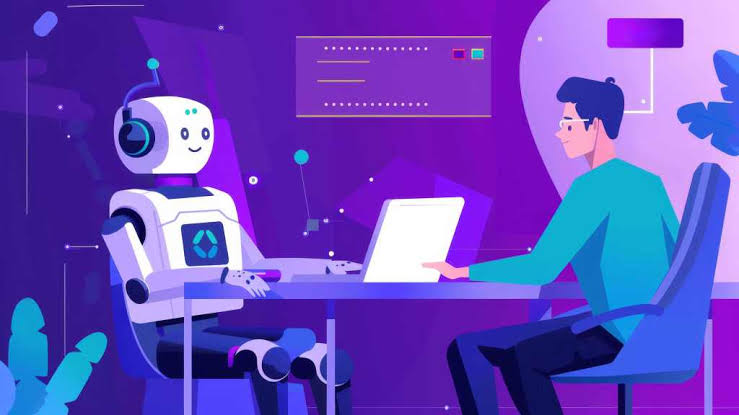
An AI Procurement Agent helps businesses modernize procurement by combining artificial intelligence with business data and automated workflows. Rather than replacing procurement professionals, AI acts as a digital assistant that analyzes purchasing patterns, monitors suppliers, forecasts demand, and supports smarter decision-making throughout the procurement process.
This guide explains how AI Procurement Agents work, their key business benefits, practical use cases, and best practices for successful implementation.
What Is an AI Procurement Agent?
An AI Procurement Agent is an intelligent software system designed to support purchasing teams by automating procurement tasks, analyzing supplier information, and improving purchasing decisions through data-driven insights.
Unlike traditional procurement software that follows predefined workflows, AI Procurement Agents continuously analyze operational data, identify patterns, and recommend actions based on changing business conditions.
They commonly integrate with:
- Enterprise Resource Planning (ERP) systems
- Procurement management platforms
- Inventory management software
- Supplier databases
- Financial systems
- Project management applications
- Business analytics tools
By connecting these systems, AI gains a comprehensive understanding of purchasing activities across the organization.
Instead of spending valuable time on repetitive administrative work, procurement teams can focus on supplier relationships, negotiations, and strategic sourcing.
Why Businesses Need AI Procurement Agents
Purchasing decisions affect nearly every department within an organization. Delays in procurement can impact production schedules, project delivery, customer satisfaction, and financial performance.
Common procurement challenges include:
- Manual purchase request processing
- Limited visibility into supplier performance
- Inventory shortages
- Duplicate purchasing
- Slow approval workflows
- Difficulty forecasting future demand
An AI Procurement Agent addresses these issues by automating routine processes while providing intelligent recommendations that improve purchasing decisions.
Organizations may experience benefits such as:
- Faster procurement cycles
- Better supplier management
- Improved purchasing accuracy
- Lower operational costs
- Increased compliance
- Better inventory planning
- Greater procurement transparency
As a result, procurement becomes a strategic business function instead of an administrative process.
How an AI Procurement Agent Works
AI Procurement Agents combine artificial intelligence, predictive analytics, and enterprise data to optimize purchasing activities.
Monitoring Procurement Data
AI continuously gathers information from multiple business systems, including purchase orders, supplier records, inventory levels, contracts, and project requirements.
This centralized view enables procurement teams to identify opportunities and potential risks much earlier.
Predicting Purchasing Needs
Instead of reacting after inventory becomes low, AI analyzes historical purchasing behavior, seasonal demand, project schedules, and consumption trends to forecast future procurement requirements.
This proactive planning reduces stock shortages while avoiding unnecessary overstocking.
Automating Procurement Workflows
Many procurement activities can be automated, including:
- Purchase request validation
- Supplier comparison
- Approval routing
- Purchase order generation
- Contract monitoring
- Procurement reporting
Automation improves consistency while reducing administrative workload.
Practical Applications Across Industries
AI Procurement Agents can support organizations across various industries by improving purchasing efficiency and supplier management.
Construction Companies
Construction businesses use AI to forecast material requirements, monitor supplier delivery performance, and coordinate procurement with project schedules.
Manufacturing
Manufacturers optimize raw material purchasing, reduce inventory risks, and improve supplier collaboration through predictive analytics.
Professional Services
Consulting firms and agencies automate vendor management, contract tracking, and purchasing approvals for operational resources.
Technology Companies
Software providers use AI Procurement Agents to manage software licenses, cloud services, hardware procurement, and vendor relationships more efficiently.
Regardless of industry, AI helps procurement teams make faster and more informed purchasing decisions.
AI Procurement Agents vs Traditional Procurement Systems
Traditional procurement software improves documentation and workflow management, but AI Procurement Agents extend these capabilities significantly.
Conventional procurement systems typically:
- Execute predefined workflows
- Store supplier information
- Generate purchase orders
- Require manual analysis
An AI Procurement Agent additionally can:
- Analyze supplier performance
- Forecast purchasing demand
- Detect unusual spending patterns
- Recommend preferred suppliers
- Identify procurement risks
- Continuously improve purchasing decisions using historical data
This makes AI an intelligent decision-support system rather than simply a procurement management tool.
To learn how intelligent digital workers support different business functions, read AI Employees Explained: How Intelligent Teams Transform Business.
Integrating AI Procurement with Enterprise Systems
The greatest value of AI Procurement Agents comes from integration across enterprise operations.
For example:
- ERP provides purchasing and financial information.
- Inventory systems monitor stock availability.
- Project management software shares material requirements.
- Finance validates budget availability.
- Procurement AI recommends the best purchasing decisions.
This integrated workflow improves collaboration between procurement, finance, operations, and project teams while reducing manual coordination.
Businesses exploring AI-powered ERP capabilities can also read AI ERP Software: Everything You Need Before Choosing a System to understand how procurement fits into a broader intelligent business platform.
Best Practices for Implementing an AI Procurement Agent
Successful implementation begins with improving procurement processes before introducing AI.
Organizations should:
- Define procurement objectives clearly.
- Standardize purchasing workflows.
- Maintain accurate supplier data.
- Integrate AI with ERP and procurement systems.
- Train procurement teams on AI-assisted decision-making.
- Continuously evaluate procurement performance.
Starting with high-volume purchasing activities often delivers measurable improvements quickly while reducing implementation risks.
According to the National Institute of Standards and Technology (NIST), organizations adopting AI should emphasize governance, transparency, security, and reliability to ensure responsible and sustainable implementation.
Building a Smarter Procurement Function
Procurement is evolving from a transactional function into a strategic contributor to business performance. Organizations that combine experienced procurement professionals with intelligent AI tools can improve supplier management, reduce costs, strengthen operational resilience, and make faster purchasing decisions.
An AI Procurement Agent enables procurement teams to automate routine work, gain better visibility into purchasing activities, and make more informed decisions using real-time business data. Instead of replacing procurement professionals, AI empowers them to focus on supplier partnerships, negotiation strategies, and long-term business value.
If your organization is exploring intelligent procurement and business automation, learning more about BuildX can help you understand how AI Employees, ERP integration, and specialized AI agents work together to create a smarter and more efficient enterprise.