Businesses today are under constant pressure to accomplish more with limited resources. Teams are expected to respond to customers faster, manage increasingly complex operations, and make informed decisions based on growing volumes of data. Yet many organizations continue to rely on manual processes that consume valuable time and reduce overall efficiency.
This is where AI Business Automation is making a significant impact. By combining artificial intelligence with business workflows, organizations can automate repetitive tasks, streamline decision-making, and improve productivity across multiple departments. Rather than replacing employees, AI automation enables people to focus on strategic work while intelligent systems handle routine operations.
Whether you’re running a construction company, managing a property development business, operating a consulting firm, or leading a growing startup, understanding how AI business automation works can help you build a more agile and productive organization.
What Is AI Business Automation?
AI Business Automation is the use of artificial intelligence technologies to automate business processes that traditionally require human effort. Unlike rule-based automation, AI can analyze information, understand context, identify patterns, and adapt to changing business conditions.
Modern AI automation goes beyond simply executing predefined workflows. It continuously learns from operational data and helps businesses improve efficiency through intelligent recommendations and predictive insights.
Common applications include:
- Workflow automation
- Document processing
- Customer support
- Financial monitoring
- Procurement management
- Sales assistance
- Project coordination
- Human resources administration
Instead of automating isolated tasks, AI Business Automation connects multiple business functions into a more efficient operational ecosystem.
Why AI Business Automation Matters
Organizations generate thousands of operational activities every day. Purchase requests, invoices, customer inquiries, project updates, employee records, and financial transactions all require time and attention.
When these processes remain manual, businesses often experience:
- Delayed decision-making
- Administrative bottlenecks
- Human errors
- Inconsistent reporting
- Reduced employee productivity
AI Business Automation helps solve these challenges by handling repetitive work while supporting employees with intelligent recommendations.
Key benefits include:
- Faster operations
- Higher productivity
- Improved business accuracy
- Better collaboration
- Reduced operational costs
- More consistent workflows
- Greater scalability
As businesses continue to grow, automation becomes an essential capability rather than a competitive advantage alone.
Practical Ways AI Business Automation Increases Productivity
Organizations can implement AI automation across multiple operational areas.
Automating Administrative Tasks
Administrative work often consumes a large portion of employees’ time.
AI can automate tasks such as:
- Data entry
- Report generation
- Meeting scheduling
- Document approvals
- Email categorization
- Workflow notifications
Reducing administrative work allows employees to focus on more valuable business activities.
Supporting Faster Decision-Making
Business leaders often spend hours reviewing reports before making decisions.
AI continuously analyzes operational information and automatically highlights important issues such as:
- Budget overruns
- Delayed projects
- Procurement risks
- Inventory shortages
- Sales performance changes
Instead of waiting for monthly reports, managers receive actionable insights in real time.
Improving Cross-Department Collaboration
AI automation connects departments by sharing information automatically between finance, procurement, sales, HR, and project management.
This reduces communication delays and helps teams work more efficiently together.
Departments That Benefit from AI Automation
AI Business Automation delivers measurable improvements across nearly every business function.
Finance
Finance teams can automate:
- Expense monitoring
- Invoice processing
- Financial reporting
- Budget tracking
- Cash flow analysis
This improves reporting accuracy while reducing manual effort.
Procurement
Procurement AI supports:
- Supplier evaluation
- Purchase approvals
- Inventory monitoring
- Material forecasting
- Vendor performance analysis
These capabilities help maintain efficient supply chain operations.
Sales
Sales automation assists with:
- Lead qualification
- Opportunity scoring
- Customer follow-ups
- Sales forecasting
- CRM updates
Sales professionals spend more time building customer relationships instead of performing administrative work.
Human Resources
HR automation improves:
- Employee onboarding
- Leave management
- Recruitment workflows
- Performance monitoring
- Workforce analytics
Administrative HR processes become significantly more efficient.
Project Management
Project teams use AI to:
- Monitor progress
- Track deadlines
- Allocate resources
- Identify risks
- Generate project reports
Managers gain better visibility across ongoing projects.
AI Employees and Intelligent Automation
One of the most advanced forms of AI Business Automation is the use of specialized AI employees.
Instead of relying on generic automation software, businesses deploy digital workers responsible for specific operational functions.
Examples include:
- Finance AI
- Procurement AI
- Sales AI
- HR AI
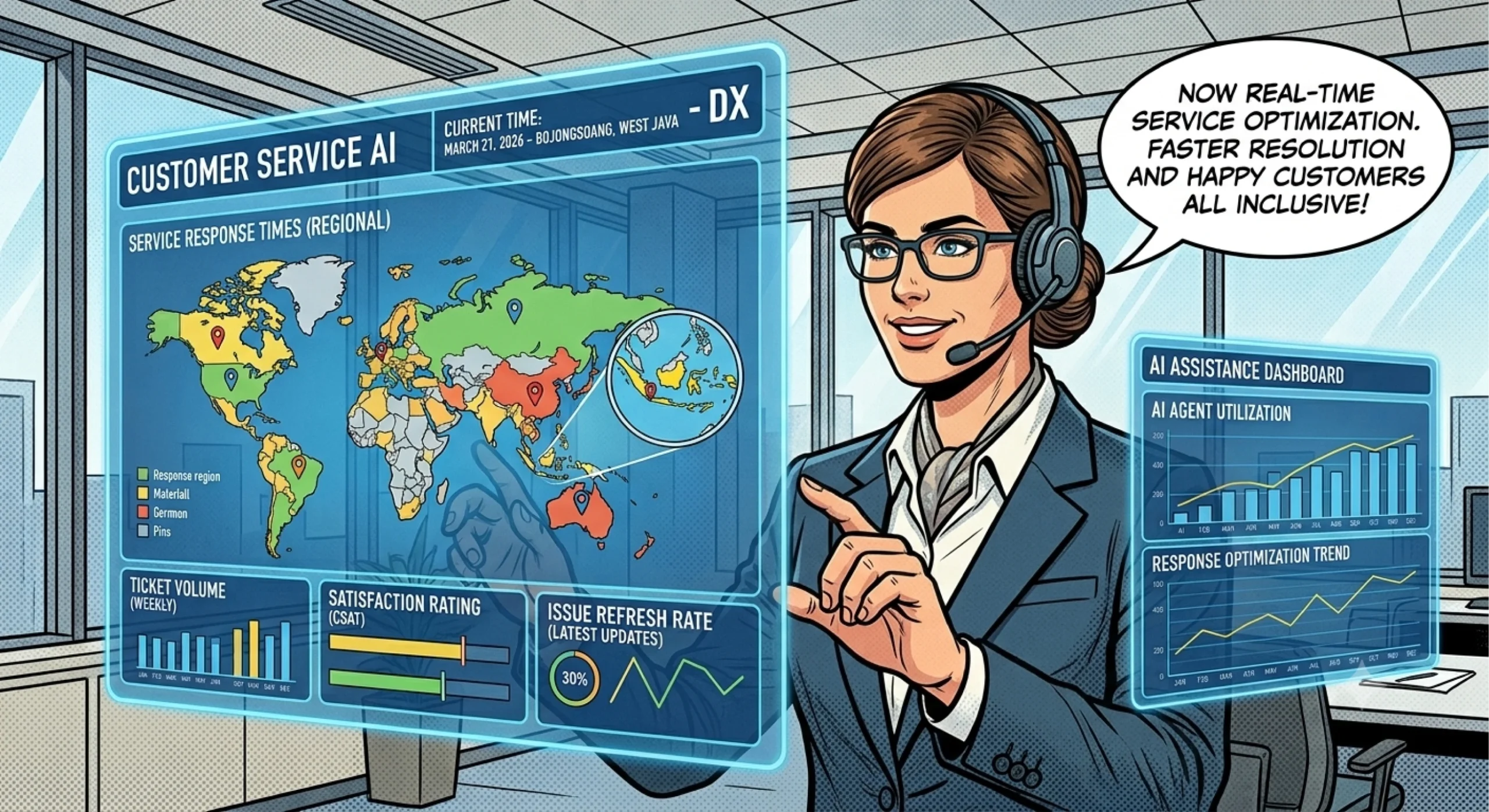
- Customer Service AI
- Project Management AI
Each AI employee collaborates with business systems while continuously analyzing operational data.
Organizations exploring intelligent digital workers can learn more through AI Employees Explained to understand how AI supports modern business operations.
The Role of AI ERP Systems
Business automation becomes significantly more effective when integrated with Enterprise Resource Planning (ERP) systems.
ERP centralizes information across:
- Finance
- Procurement
- Inventory
- Projects
- Human Resources
- Sales
- Customer management
AI uses this centralized data to deliver more accurate recommendations and automate complex workflows.
For example:
- Finance AI identifies unusual spending patterns.
- Procurement AI predicts material shortages.
- Project AI detects scheduling risks.
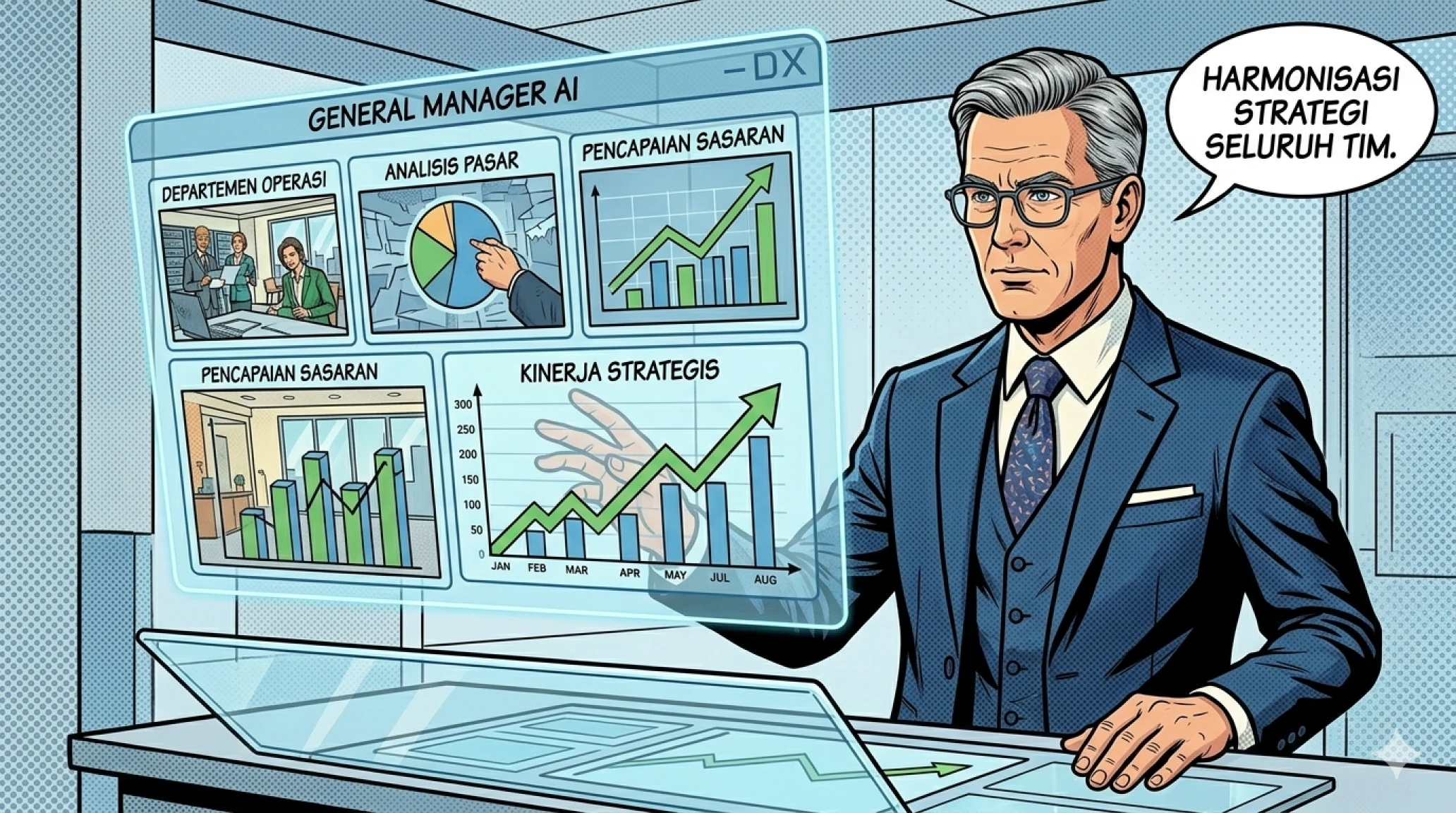
- Executive AI summarizes business performance.
Organizations evaluating intelligent ERP capabilities may also benefit from reading AI ERP Software: Everything You Need Before Choosing a System to understand how AI-powered ERP platforms improve operational efficiency.
Best Practices for Implementing AI Business Automation
Successful automation starts with clearly defined business objectives rather than technology alone.
Organizations should:
- Identify repetitive manual tasks.
- Prioritize high-impact processes.
- Ensure reliable business data.
- Integrate AI with existing systems.
- Train employees alongside automation.
- Continuously monitor results.
A gradual implementation approach allows teams to adapt while maximizing long-term value.
According to the National Institute of Standards and Technology (NIST) AI Resource Center, organizations implementing AI should emphasize trustworthy practices, including transparency, accountability, security, and reliability throughout deployment.
Preparing for the Future of Business Automation
Artificial intelligence is rapidly changing how businesses operate. Instead of functioning as isolated automation software, AI is becoming an active business partner that supports employees, analyzes operational data, and continuously improves organizational performance.
AI Business Automation enables companies to reduce repetitive work, improve productivity, and make faster, more informed decisions. Rather than replacing human expertise, intelligent automation strengthens the capabilities of every department by allowing employees to focus on innovation, customer relationships, and strategic growth.
If your organization is exploring ways to modernize operations, learning more about BuildX can help you understand how AI employees, ERP integration, and intelligent automation work together to create a more connected and productive business environment.