Enterprise Resource Planning (ERP) systems have long served as the operational backbone of modern organizations. They centralize information across finance, procurement, inventory, human resources, sales, and project management, allowing businesses to manage critical processes from a single platform. However, as organizations generate more data and face increasingly complex operational challenges, traditional ERP systems alone are no longer enough.
This is where ERP with AI is changing the way businesses operate. By combining Enterprise Resource Planning with artificial intelligence, organizations can move beyond simply storing business data. AI enables ERP systems to analyze information, identify patterns, automate repetitive tasks, predict future outcomes, and support better business decisions.
Whether you’re managing construction projects, overseeing multiple development sites, running a consulting company, or scaling a growing business, understanding how AI enhances ERP systems can help you prepare for a smarter and more efficient future.
What Is ERP with AI?
ERP with AI refers to an Enterprise Resource Planning system that incorporates artificial intelligence technologies such as machine learning, predictive analytics, natural language processing, and intelligent automation into everyday business operations.
Unlike conventional ERP software that primarily records and organizes business information, AI-enhanced ERP systems continuously evaluate operational data and generate actionable insights.
Typical AI capabilities within ERP include:
- Intelligent workflow automation
- Predictive business analytics
- AI-powered reporting
- Financial anomaly detection
- Procurement optimization
- Resource planning
- Demand forecasting
- Decision support
Instead of requiring managers to manually interpret reports, AI helps explain what is happening within the organization and recommends possible actions.
Why Businesses Are Adopting ERP with AI
Organizations today process significantly more operational data than ever before. Financial transactions, project updates, procurement activities, employee records, and customer interactions generate valuable information every day.
Without artificial intelligence, much of this data remains underutilized.
ERP with AI enables businesses to transform operational information into practical business intelligence by providing:
- Faster decision-making
- Improved operational visibility
- Reduced administrative workload
- Better forecasting accuracy
- More efficient resource allocation
- Continuous business monitoring
- Increased organizational productivity
Rather than reacting to problems after they occur, businesses can identify potential risks and opportunities much earlier.
How Artificial Intelligence Improves ERP Systems
Artificial intelligence enhances ERP systems in multiple ways, making them more proactive rather than simply reactive.
Automating Routine Business Processes
Many business activities involve repetitive administrative work that consumes valuable employee time.
Examples include:
- Invoice processing
- Purchase approvals
- Inventory updates
- Report generation
- Employee notifications
- Project status tracking
AI automates these processes while maintaining consistency and reducing human error.
Delivering Intelligent Business Insights
Traditional ERP dashboards display historical information.
AI goes further by analyzing trends and identifying important patterns across business operations.
Managers receive alerts about:
- Budget overruns
- Procurement delays
- Project risks
- Sales performance changes
- Workforce utilization
This allows organizations to take corrective action much sooner.
Supporting Better Decision-Making
Artificial intelligence continuously evaluates operational performance using real-time business data.
Instead of manually reviewing multiple reports, decision-makers receive recommendations supported by data analysis, enabling faster and more confident planning.
Key AI Technologies Used in ERP
Several artificial intelligence technologies contribute to modern ERP capabilities.
Machine Learning
Machine learning enables ERP systems to recognize business patterns and improve predictions over time.
For example, AI can forecast inventory demand based on historical purchasing behavior.
Natural Language Processing
Natural language processing allows users to interact with ERP systems using conversational language.
Instead of navigating multiple dashboards, managers can ask questions and receive meaningful business summaries.
Predictive Analytics
Predictive analytics evaluates historical and current information to estimate future outcomes.
Examples include:
- Project completion risks
- Budget forecasting
- Procurement planning
- Workforce demand
- Revenue projections
These capabilities support proactive business planning.
The Role of AI Employees in ERP
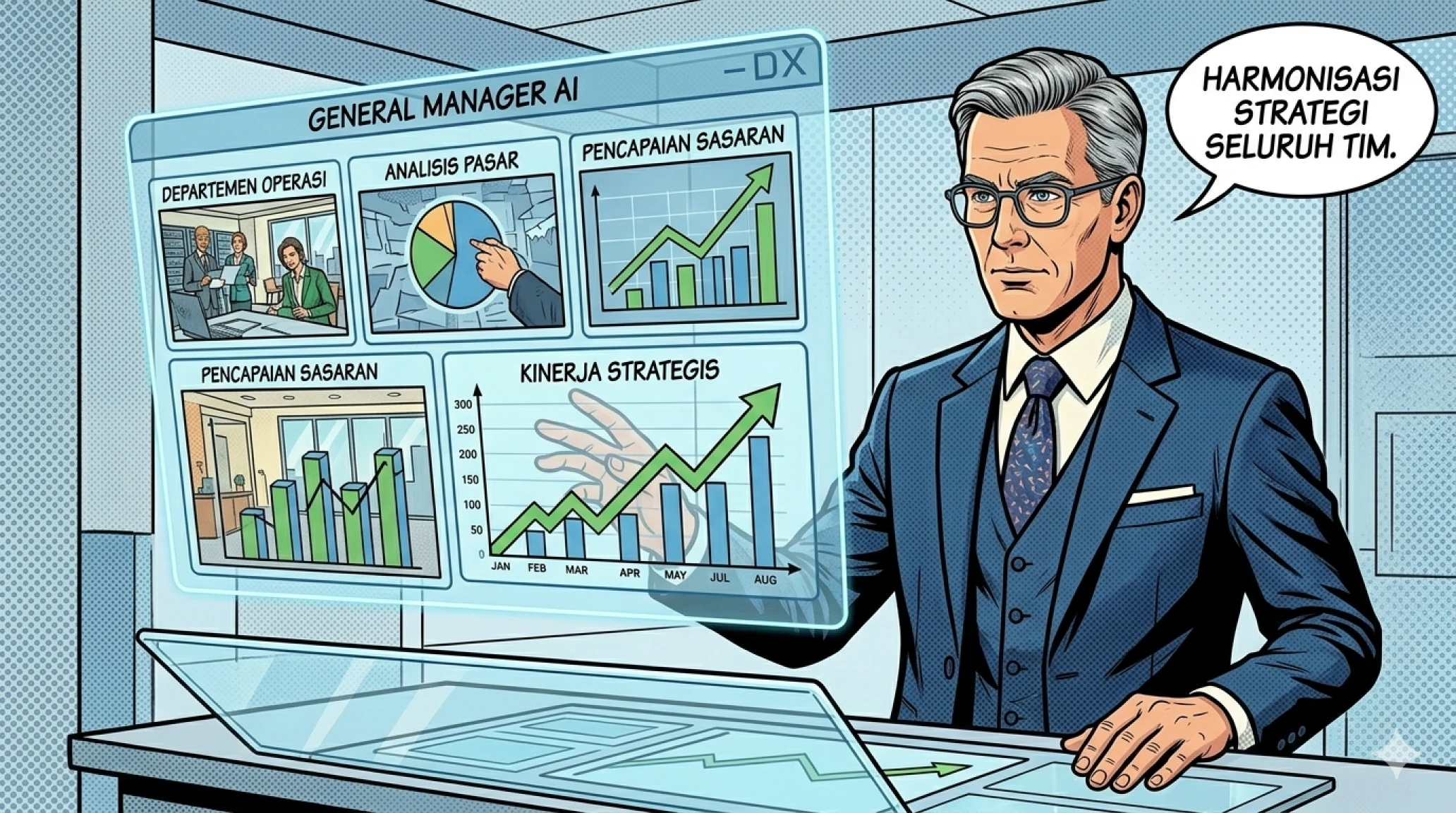
One of the most valuable developments in modern ERP systems is the integration of AI employees.
Rather than functioning as generic automation tools, AI employees specialize in different business functions.
Examples include:
- Finance AI
- Procurement AI
- Sales AI
- HR AI
- Project Management AI
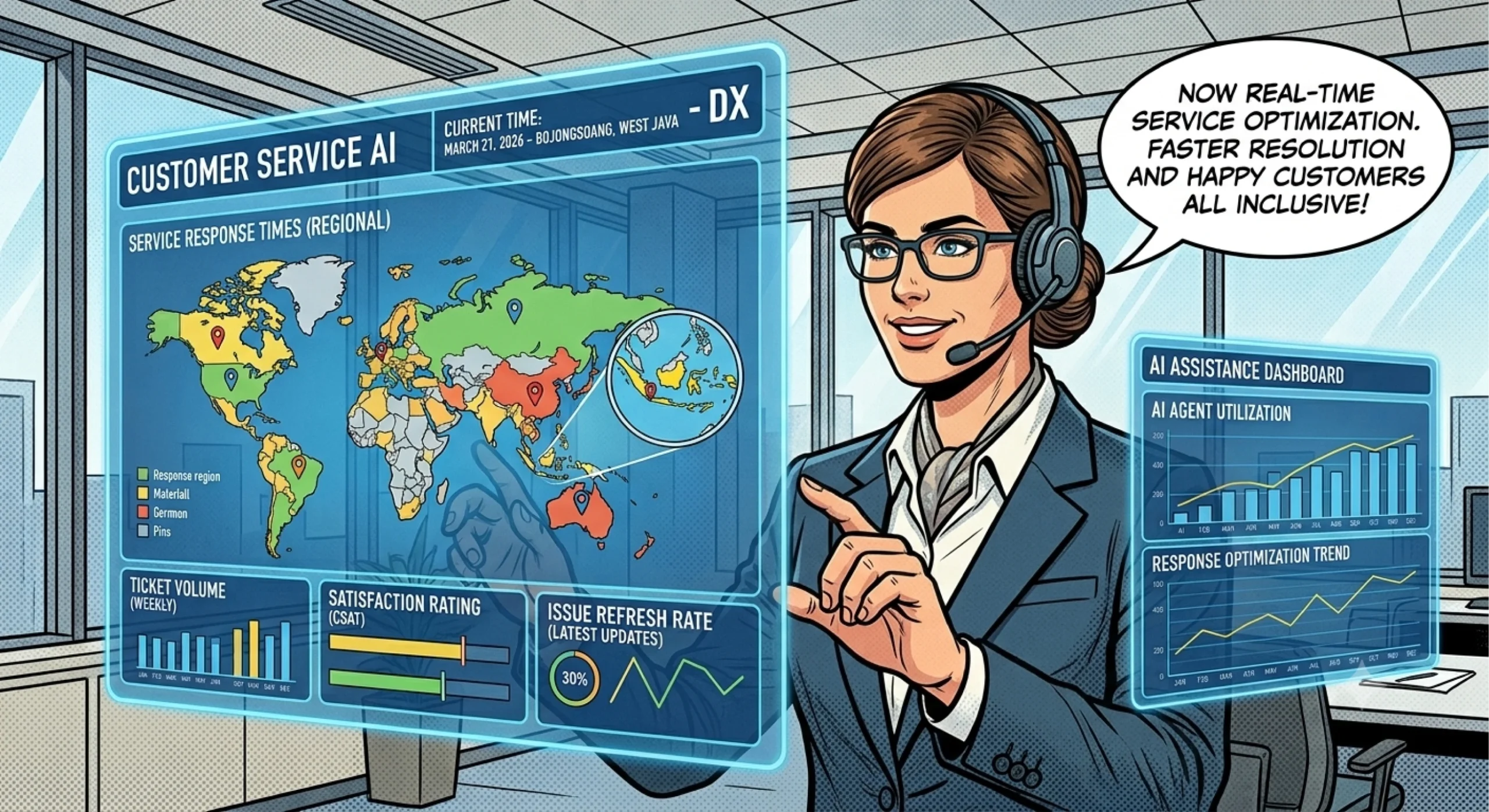
- Customer Service AI
Each AI employee works within the ERP environment while accessing real-time operational information.
Organizations new to intelligent digital workers can learn more through AI Employees Explained, which explores how AI supports everyday business activities across multiple departments.
Industries That Benefit Most from ERP with AI
AI-enhanced ERP systems create measurable operational improvements across many industries.
Construction
Construction companies manage multiple projects, contractors, procurement activities, equipment, and financial planning simultaneously.
ERP with AI improves visibility across all operational areas while helping identify scheduling and procurement risks early.
Property Development
Developers oversee multiple stakeholders, budgets, vendors, and project milestones.
AI provides centralized operational monitoring and predictive project analysis.
Consulting
Consulting firms benefit from automated reporting, resource planning, project tracking, and collaboration support.
Agencies
Creative and marketing agencies use AI-enhanced ERP systems to coordinate projects, allocate resources, and improve workflow management.
Growing Businesses
Small and medium-sized organizations can scale operations more efficiently while reducing administrative complexity.
ERP with AI vs Traditional ERP
Although both systems centralize business information, their operational capabilities differ significantly.
Traditional ERP focuses on:
- Recording business transactions
- Managing operational databases
- Generating reports
- Standard workflow management
ERP with AI extends these capabilities by:
- Predicting operational risks
- Automating repetitive decisions
- Delivering intelligent recommendations
- Continuously monitoring business performance
- Supporting strategic planning
Instead of functioning solely as a record-keeping system, ERP becomes an active participant in business decision-making.
Businesses evaluating intelligent ERP solutions may also find value in reading AI ERP Software: Everything You Need Before Choosing a System to understand the essential capabilities of modern AI-powered ERP platforms.
Best Practices for Implementing ERP with AI
Successful implementation requires more than installing new software.
Organizations should:
- Define clear business objectives.
- Prioritize high-impact operational processes.
- Ensure data quality before implementation.
- Integrate AI with existing business systems.
- Train employees to work alongside AI.
- Continuously monitor system performance.
A structured implementation strategy helps maximize both operational efficiency and user adoption.
According to the National Institute of Standards and Technology (NIST) AI Resource Center, organizations should implement AI systems with a strong focus on transparency, reliability, security, and responsible governance.
Preparing for the Future of Intelligent ERP
Artificial intelligence is rapidly transforming ERP from a system that records business activities into one that actively supports operational excellence. Organizations adopting ERP with AI gain faster access to meaningful insights, improve collaboration across departments, and automate routine processes that once consumed valuable employee time.
As businesses continue generating larger volumes of operational data, AI-powered ERP systems will become increasingly important for maintaining efficiency and competitiveness. If your organization is planning its digital transformation journey, exploring BuildX can help you understand how ERP, AI employees, and intelligent automation work together to create a smarter business environment.