Large organizations operate in an increasingly complex business environment. Multiple departments, thousands of employees, distributed operations, and growing volumes of data make decision-making more challenging than ever. Manual processes that once supported business growth are now becoming operational bottlenecks.
This is why Enterprise AI Agents are gaining attention across industries. These intelligent AI-powered agents help organizations automate business processes, analyze operational data, support employees, and improve decision-making at scale. Rather than replacing human expertise, Enterprise AI Agents act as digital teammates that continuously assist business functions across the organization.
This guide explains what Enterprise AI Agents are, how they work, their business benefits, common use cases, and best practices for successful implementation.
What Are Enterprise AI Agents?
Enterprise AI Agents are advanced AI systems designed to perform specialized business tasks within large organizations. Unlike traditional chatbots or simple automation tools, they can understand business context, process information from multiple systems, make recommendations, and execute workflows with minimal human intervention.
Enterprise AI Agents typically integrate with platforms such as:
- Enterprise Resource Planning (ERP)
- Customer Relationship Management (CRM)
- Human Resource Management Systems (HRMS)
- Project Management Software
- Procurement Systems
- Financial Applications
- Knowledge Management Platforms
Because they access centralized business information, AI agents can support employees with accurate insights and automate repetitive operational activities.
Instead of functioning as isolated assistants, they become part of an organization’s digital workforce.
Why Large Organizations Need Enterprise AI Agents
As companies expand, operational complexity increases rapidly. Managing finance, procurement, customer service, projects, compliance, and workforce administration manually becomes increasingly inefficient.
Enterprise AI Agents help solve these challenges by improving speed, consistency, and operational visibility.
Organizations benefit from:
- Faster business processes
- Improved decision-making
- Reduced administrative workload
- Higher operational consistency
- Better collaboration across departments
- Increased workforce productivity
- Greater scalability
By automating repetitive work, employees can dedicate more time to innovation, strategic planning, and customer engagement.
How Enterprise AI Agents Work
Enterprise AI Agents combine multiple artificial intelligence technologies with enterprise business systems.
Integrating Business Data
AI agents connect with various internal platforms to collect operational information from multiple departments.
This may include:
- Financial records
- Procurement data
- Project schedules
- Employee information
- Customer interactions
- Sales performance
- Inventory management
Having access to centralized data enables AI to provide more accurate recommendations.
Understanding Business Context
Unlike rule-based automation, Enterprise AI Agents analyze relationships between business activities.
For example, an AI agent may recognize that delayed procurement will affect project schedules, budget forecasts, and resource planning simultaneously.
This contextual understanding allows organizations to respond proactively rather than reactively.
Automating Complex Workflows
Enterprise AI Agents can automate multi-step business processes such as:
- Purchase approvals
- Budget monitoring
- Project reporting
- Employee onboarding
- Customer inquiry routing
- Executive reporting
- Workflow notifications
Automation improves operational efficiency while reducing manual intervention.
Common Types of Enterprise AI Agents
Large organizations often deploy specialized AI agents that support individual business functions.
Finance AI Agent
Supports financial planning by monitoring expenses, analyzing cash flow, generating reports, detecting anomalies, and assisting budget management.
Procurement AI Agent
Tracks supplier performance, forecasts material demand, evaluates purchasing patterns, and recommends procurement decisions.
HR AI Agent
Assists recruitment, employee onboarding, leave administration, workforce analytics, and talent management.
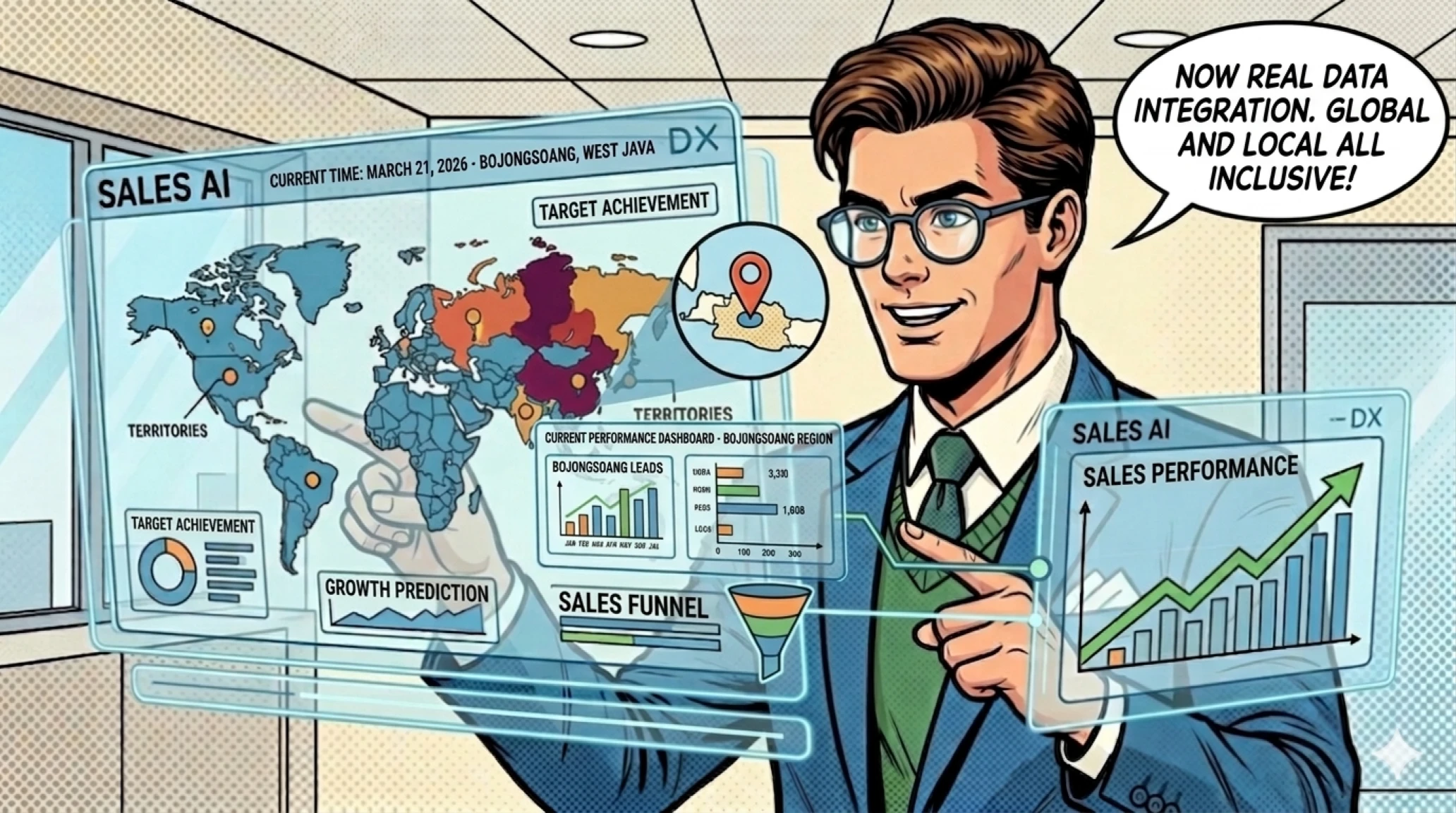
Sales AI Agent
Analyzes customer behavior, qualifies leads, updates CRM systems, forecasts revenue, and recommends sales opportunities.
Project Management AI Agent
Monitors project milestones, identifies scheduling risks, tracks resource utilization, and generates progress reports.
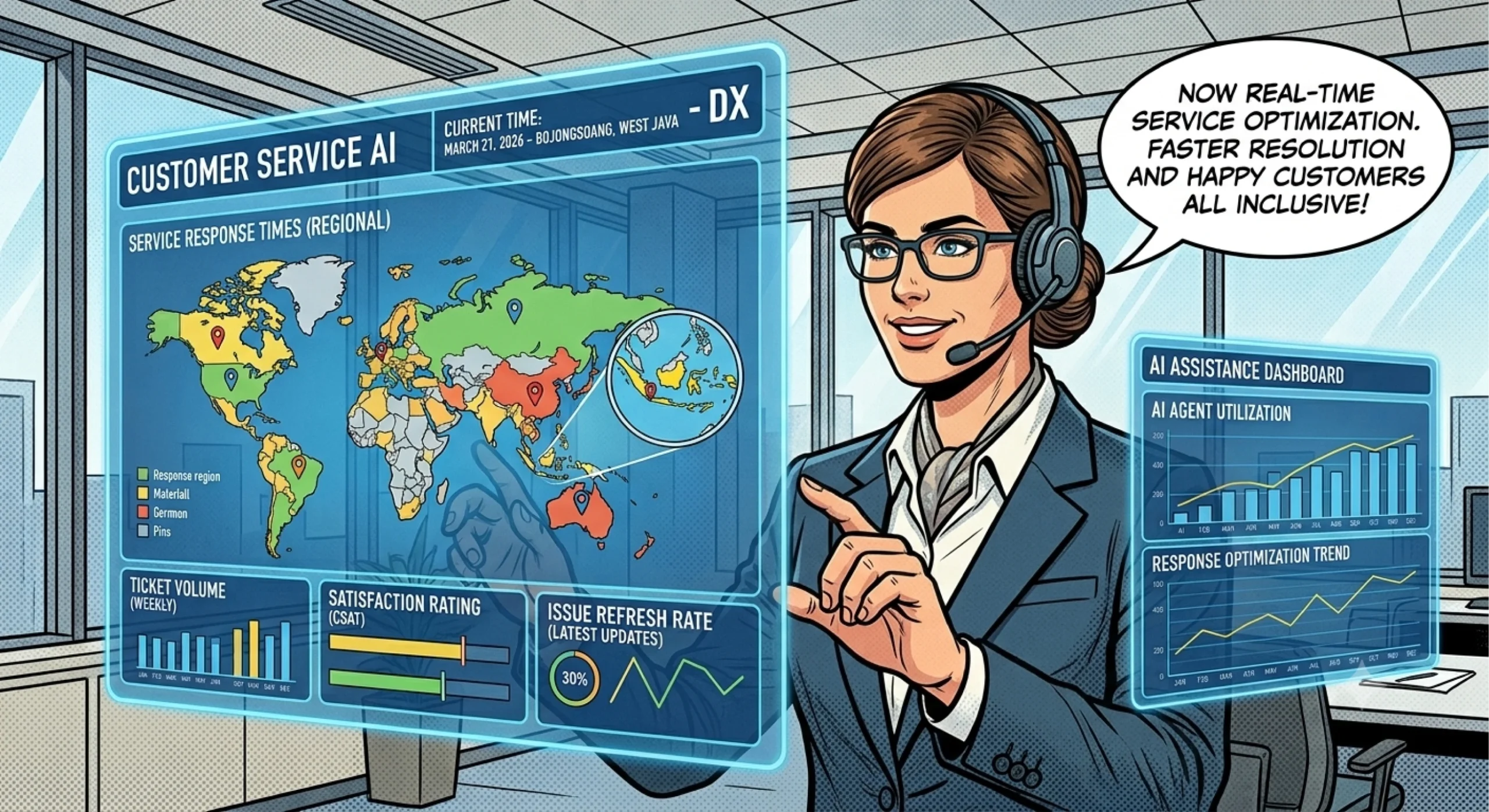
Customer Service AI Agent
Responds to customer requests, categorizes support tickets, answers routine questions, and escalates complex cases to human teams.
Enterprise AI Agents vs Traditional Automation
Many enterprises already use workflow automation software, but Enterprise AI Agents provide significantly broader capabilities.
Traditional automation generally:
- Follows predefined rules
- Performs repetitive tasks
- Requires manual updates
- Cannot understand changing business conditions
Enterprise AI Agents, on the other hand:
- Learn from business data
- Understand organizational context
- Generate intelligent recommendations
- Adapt to operational changes
- Support strategic decision-making
- Collaborate across multiple business systems
This makes AI agents valuable contributors to enterprise-wide productivity rather than simple automation tools.
Organizations interested in understanding intelligent digital workers can also explore AI Employees Explained: How Intelligent Teams Transform Business.
Enterprise AI Agents Across Business Functions
The greatest value of Enterprise AI Agents comes from their ability to connect different departments into one intelligent operational ecosystem.
Examples include:
- Finance AI detecting unusual expenses while Procurement AI recommends alternative suppliers.
- HR AI forecasting workforce requirements based on project demand.
- Project AI identifying schedule risks before deadlines are affected.
- Sales AI recommending high-priority opportunities based on customer activity.
- Executive AI summarizing overall business performance for leadership teams.
Instead of working independently, AI agents exchange information to improve coordination across the organization.
Businesses looking to understand broader operational AI applications may also benefit from reading AI Agents for Business: How They Improve Daily Operations.
Best Practices for Successful Implementation
Successful adoption of Enterprise AI Agents depends on organizational readiness rather than technology alone.
Recommended practices include:
- Identify high-impact business processes.
- Establish clear business objectives.
- Ensure reliable enterprise data.
- Integrate AI with existing business platforms.
- Train employees to collaborate with AI systems.
- Continuously monitor performance and governance.
A phased implementation strategy often delivers better long-term results than attempting enterprise-wide deployment all at once.
According to the National Institute of Standards and Technology (NIST), organizations should implement trustworthy AI by emphasizing governance, transparency, reliability, privacy, and security throughout the AI lifecycle.
Preparing for the Next Generation of Enterprise Operations
Enterprise organizations are increasingly moving toward intelligent operations where AI supports employees across finance, procurement, human resources, customer service, project management, and executive leadership.
Enterprise AI Agents enable organizations to automate complex workflows, improve decision-making, and increase productivity without sacrificing operational control. Instead of replacing experienced professionals, these AI agents empower teams to work smarter, respond faster, and focus on higher-value business activities.
If your organization is planning its next stage of digital transformation, exploring the solutions available through BuildX can provide valuable insight into how AI employees, enterprise automation, and integrated business platforms work together to create a more intelligent and efficient organization.